

outdoor motion sensor light is one of the most practical nighttime security upgrades for homeowners and small property managers in 2024—yet most online guides skip crucial details about installation, daily frustrations, and what actually matters for long-term reliability. Here’s your realistic, step-by-step buyer’s guide to making a smart decision and avoiding the issues that catch most people off guard.
Key Takeaways
- Most evidence links outdoor lighting to lower nighttime crime, but don’t expect any motion sensor light to guarantee total security.
- The biggest user frustrations are avoidable—if you know where to look for reliability, installation, and adjustment issues in advance.
- Solar vs. wired models, smart integration, and waterproof ratings are crucial buying factors that most guides completely overlook.
- Do Outdoor Motion Sensor Lights Actually Deter Crime in 2024?
- The Top Frustrations Users Report with Outdoor Motion Sensor Lights—and How to Avoid Them
- What the Best-Ranked Reviews Don’t Tell You: Three Overlooked Buying Factors
- Solar Motion Sensor Security Lights vs Wired LED Motion Lights—Key Specs That Matter
- 2024’s Outdoor Sensor Light Market—What You Get for Your Money
- Durability, Weather, and Manufacturer Warranties—What to Expect
- Pro Tips: How to Place and Adjust Outdoor Motion Sensor Lights for Total Coverage
- FAQ
Do Outdoor Motion Sensor Lights Actually Deter Crime in 2024?
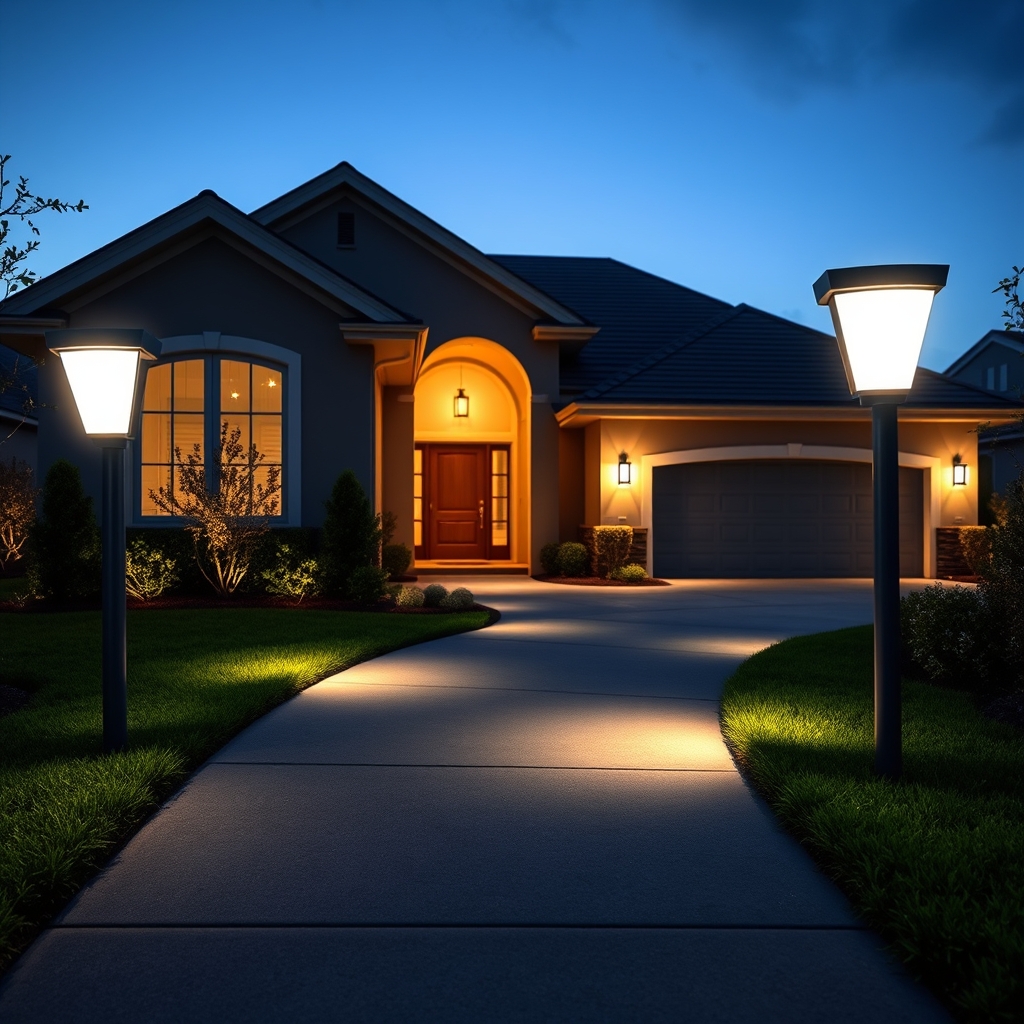
Research into whether outdoor motion sensor light really deters crime is still indirect in 2024. There’s no concrete data that isolates the effect of motion sensor lights from general outdoor lighting. Studies on urban lighting upgrades show property crime drops between 14% and 39% at night after upgrading to brighter, modern lights—like Philadelphia’s 16% decrease following an LED streetlight rollout (Pinkerton, PrairieTechFM). However, these stats focus on broad city areas, not homes with motion sensor lights specifically.
On the home level, motion sensor lights are the second most popular security device in 2024, with 43% of households reporting they use them (SafeHome data). But again, there’s no direct evidence proving these lights lower break-ins. Some sources even suggest lighting alone doesn’t always deter criminals, especially if the technology is outdated or easy to dodge (DarkSky).
The bottom line: outdoor lighting helps, but any outdoor motion sensor light should be one layer in your overall home security strategy—not your only solution.
The Top Frustrations Users Report with Outdoor Motion Sensor Lights—and How to Avoid Them
While most research ignores actual user complaints, installers and homeowners widely report frustrations with motion sensor flood light outdoor setups and led motion detector light systems. Here’s how to avoid the worst issues:
- False triggers: Squirrels, passing cars, tree branches, and pets can all activate the sensor. Choose lights with sensitivity adjustments, and avoid aiming sensors toward streets or busy walkways.
- Limited detection range: Some budget models only detect motion within 10–12 feet, missing activity further away. Always check the manufacturer’s stated range.
- Durability failures: Cheaper models may lose sensitivity, develop condensation issues, or break after storm seasons. Pay attention to waterproof (IP) ratings and warranty terms—a subject that’s barely touched in most buying guides.
- Installation headaches: Many users underestimate the tools or wiring experience needed, especially with wired models. Solar options simplify mounting, but may underperform in low-sun environments.
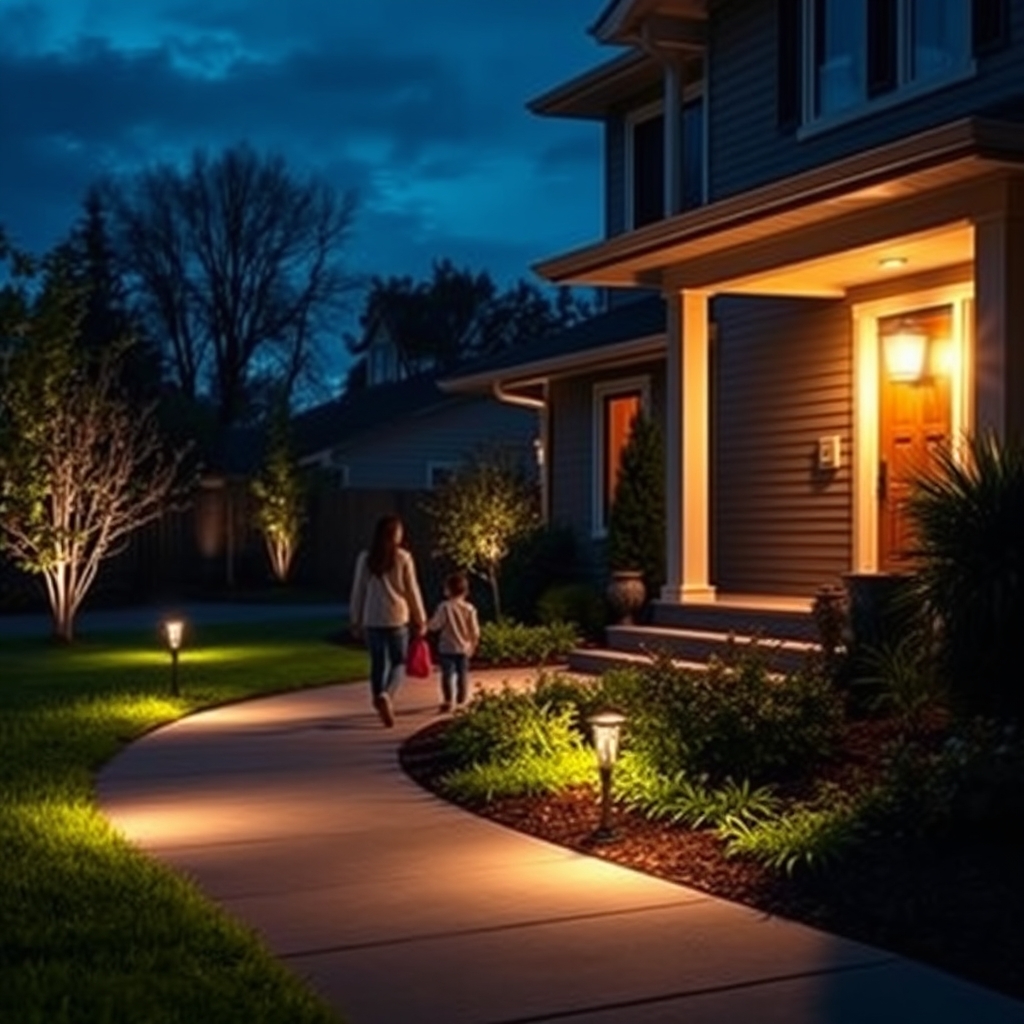
Most complaints are easily avoided with a little planning. Want an even smarter approach to lighting? Check out our Smart Home Devices: The Ultimate Guide to a Smarter Home 2026 for system-wide integration tips.
What the Best-Ranked Reviews Don’t Tell You: Three Overlooked Buying Factors
2024’s most visible review sites and buying guides leave out three critical topics: installation complexity, smart home integration, and solar versus wired differences. Here’s what matters:
- Installation Complexity: Some outdoor motion sensor light models require electrical wiring, wall anchors, and a hard mount. Others (especially solar motion sensor security light types) use adhesive pads or simple screws and require almost no tools. Always check what’s included in the box and read user instructions before purchase.
- Smart Home Integration: Very few lights support Alexa, Google Assistant, or home security system integration directly. Look for “smart” or Wi-Fi-enabled motion sensor lights if app control and automations are a priority. Otherwise, expect to use them as standalone devices.
- Solar vs. Wired Differences: Solar motion sensor lights are fast to install and great for remote areas, but depend on reliable sunlight and have limited output after long storms or winter. Wired led motion detector light models provide consistent brightness but require more work to set up (and may need a require a weatherproof junction box).
For more smart integration strategies, don’t miss our Smart Thermostat for Home guide, and explore combos with Best Robot Vacuum Mop Combo 2026 for advanced automation inspiration.
Solar Motion Sensor Security Lights vs Wired LED Motion Lights—Key Specs That Matter
Understanding the specifications behind solar motion sensor security light and led motion detector light types makes all the difference. Because there’s little direct comparison data in 2024, here’s what to look for:
| Spec | Solar Motion Sensor Security Light | Wired LED Motion Detector Light |
|---|---|---|
| Lumens (brightness) | 100–1000+ (lower in winter/clouds) | 800–3000+ (consistent) |
| Detection Range | 10–26 feet (depends on model) | 20–70 feet (usually adjustable) |
| Battery Life | Varies (8–12 hrs after full sun); can drain fast in busy areas | No battery; unlimited runtime if powered |
| Waterproof Rating | Typically IP65 (rainproof) | IP65–IP67 (better sealed than many solar) |
| Installation | Very easy, no wiring needed | Moderate to hard; requires tools and safe wiring |
Solar is fantastic for sheds, driveways, or remote gates—for high-traffic home entrances, wired lights win for consistency and power. For driveway and walkway safety, consider pairing your sensor lights with solar pathway lights outdoor for a comprehensive setup.
2024’s Outdoor Sensor Light Market—What You Get for Your Money
Since there’s no up-to-date, comprehensive pricing or segmentation data for 2024, here’s a real-world breakdown from typical online listings for waterproof outdoor sensor light and outdoor motion sensor light models:
| Market Tier | Typical Price (USD) | What You Get |
|---|---|---|
| Budget | $18–$40 | Plastic casing, limited range (10–15 ft.), basic solar power, minimal warranty |
| Midrange | $40–$70 | Metal or heavy-duty plastic, 1–2 year warranty, better detection (up to 26 ft.), adjustable settings, some models offer app connectivity |
| Premium | $80–$150+ | Strong waterproofing, high lumen count, smart home integrations, anti-glare lenses, 2–5 year warranties |
Features and reliability differences tend to matter more than the brand. Combine exterior sensor lights with devices like a Smart Indoor Air Quality Monitor, or for off-grid protection see our Portable Power Station for Home Backup.
Durability, Weather, and Manufacturer Warranties—What to Expect
Environmental factors can quickly ruin a waterproof outdoor sensor light—even those with solid claims on the box. Look for these attributes in your next purchase:
- Waterproof rating: IP65 minimum is good for rain and light snow. IP66 or IP67 are better if your location gets hurricanes or heavy storms.
- Materials: Metal or thick polycarbonate housings last far longer than thin plastic, especially after seasonal temperature swings.
- Warranty coverage: Most major brands give 1-2 years on basic models but premium picks may come with 3-, even 5-year coverage. Check for “no questions asked” replacement policies on solar models.
Manufacturers rarely publish real long-term failure rates, and few buyers think about warranty until they need it. To avoid surprises, register your product online as soon as it arrives and save your purchase receipt in a cloud folder.
Pro Tips: How to Place and Adjust Outdoor Motion Sensor Lights for Total Coverage
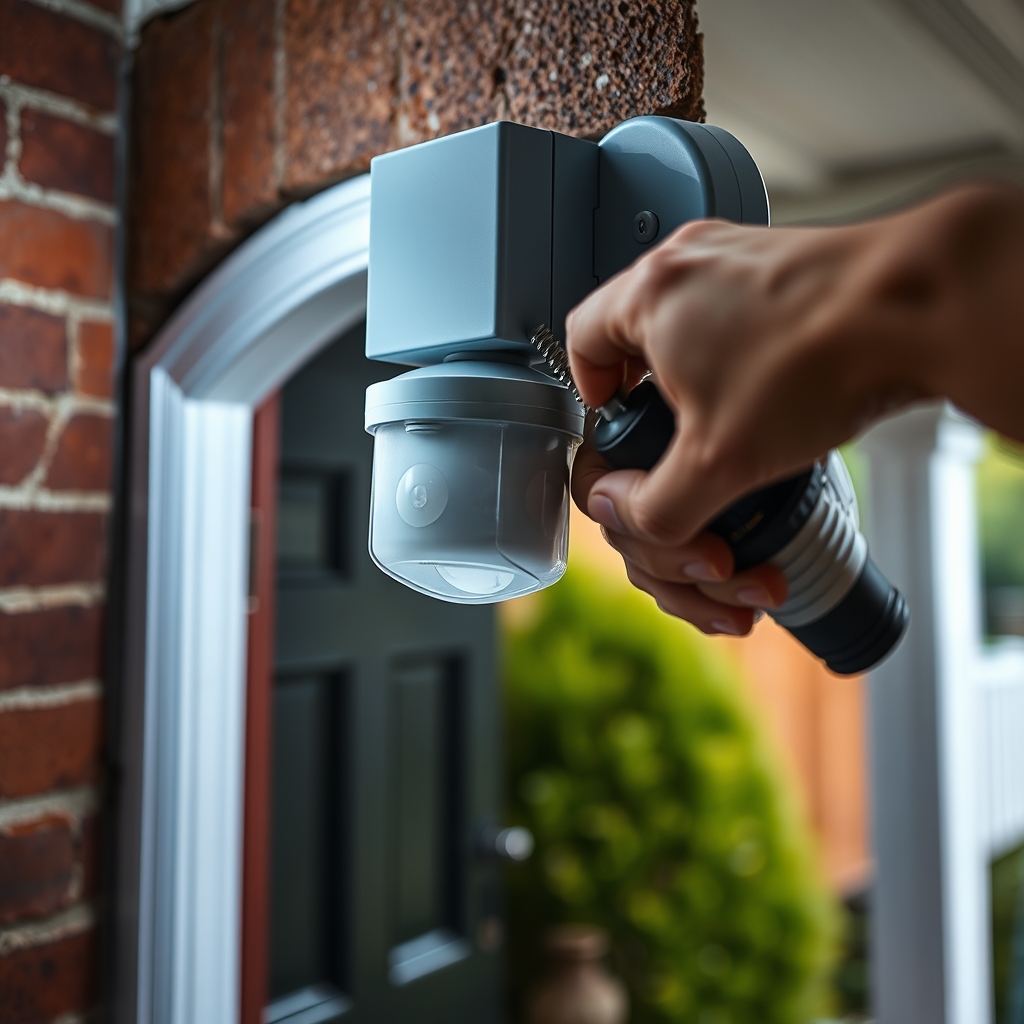
Improper placement is the number one reason motion lights don’t cover enough area—or trigger for every passing cat but miss the delivery driver. Here’s how to get it right, drawing on best available logic (since expert interviews aren’t publicly available).
- Height matters: Mount lights 6–10 feet above ground, aiming sensors slightly downward. Too high, and triggers miss the zone; too low, and the light is easy to tamper with.
- Angle for coverage: Face sensors outward at key entryways or driveways, but avoid facing directly at streets, reflective surfaces, or hedges that sway in the breeze.
- Test at night: Ask a partner to walk through the detection area and tweak range/sensitivity until it only trips for actual people or vehicles in your protected space.
- Mind the elements: Point fixtures away from gutters and downspouts to lower risk of water intrusion. In snowy regions, ensure the lens stays free of buildup that can block sensors.
Combine these practices with strategic landscaping: keep shrubs trimmed low and walkways clear, so “hiding spots” are reduced. For more on home lighting, see our LED Strip Lights for Bedroom post—an easy upgrade for inside and out.
FAQ
Do outdoor motion sensor lights reduce crime at home?
There’s no direct 2024 data proving they reduce home break-ins, though outdoor lighting in general is shown to lower property crime rates in many urban studies. It’s best to use motion sensor lighting as part of a layered security strategy.
Are solar motion sensor security lights bright enough?
Most are bright enough for walkways and entrances if they get several hours of direct sun. For high-traffic areas or larger yards, a wired LED motion detector light is brighter and more consistent.
What’s the minimum waterproof rating I should look for?
Choose at least IP65 for outdoor use: this protects against rain and light water jets. For harsher climates, aim for IP66 or IP67 ratings to ensure longevity.
Can I connect outdoor motion sensor lights to my smart home system?
Only some models offer direct smart home or app integration. Look for “smart” or “Wi-Fi-enabled” in the product description if you want Alexa or Google Assistant controls, otherwise expect standalone operation.
How do I prevent false triggers from animals or wind?
Mount sensors above head height (6–10 ft.), avoid pointing toward roads or bushes, and use the built-in sensitivity and range adjustments. Take time to test with real movement before finalizing the angle.
Conclusion
An outdoor motion sensor light is a smart upgrade for nighttime safety, but only if you choose the right technology for your climate and security needs. Prioritize waterproofing, double-check sensor settings, and weigh solar versus wired installations based on real installation limitations. Pair them with other smart home upgrades for the best results—and remember, reliability and hassle-free use are worth investing in from the start.
Ready to upgrade your property’s security and nighttime usability? Review your lighting zones and make your first outdoor motion sensor light upgrade today.