

Key Takeaways
- Tool organizer wall racks are in high demand due to rising DIY culture and garage upgrades, with durable metal options leading the market.
- There’s a lack of detailed product information—choosing the right rack requires understanding your needs and potential pitfalls.
- Practical setup and strategic planning are crucial to maximizing garage organization and getting genuine value out of your investment.
- Understanding Tool Organizer Wall Racks
- Step-by-Step Guide: Installing a Tool Organizer Wall Rack
- Advanced Analysis & Common Pitfalls
- Conclusion
- Frequently Asked Questions
Understanding Tool Organizer Wall Racks
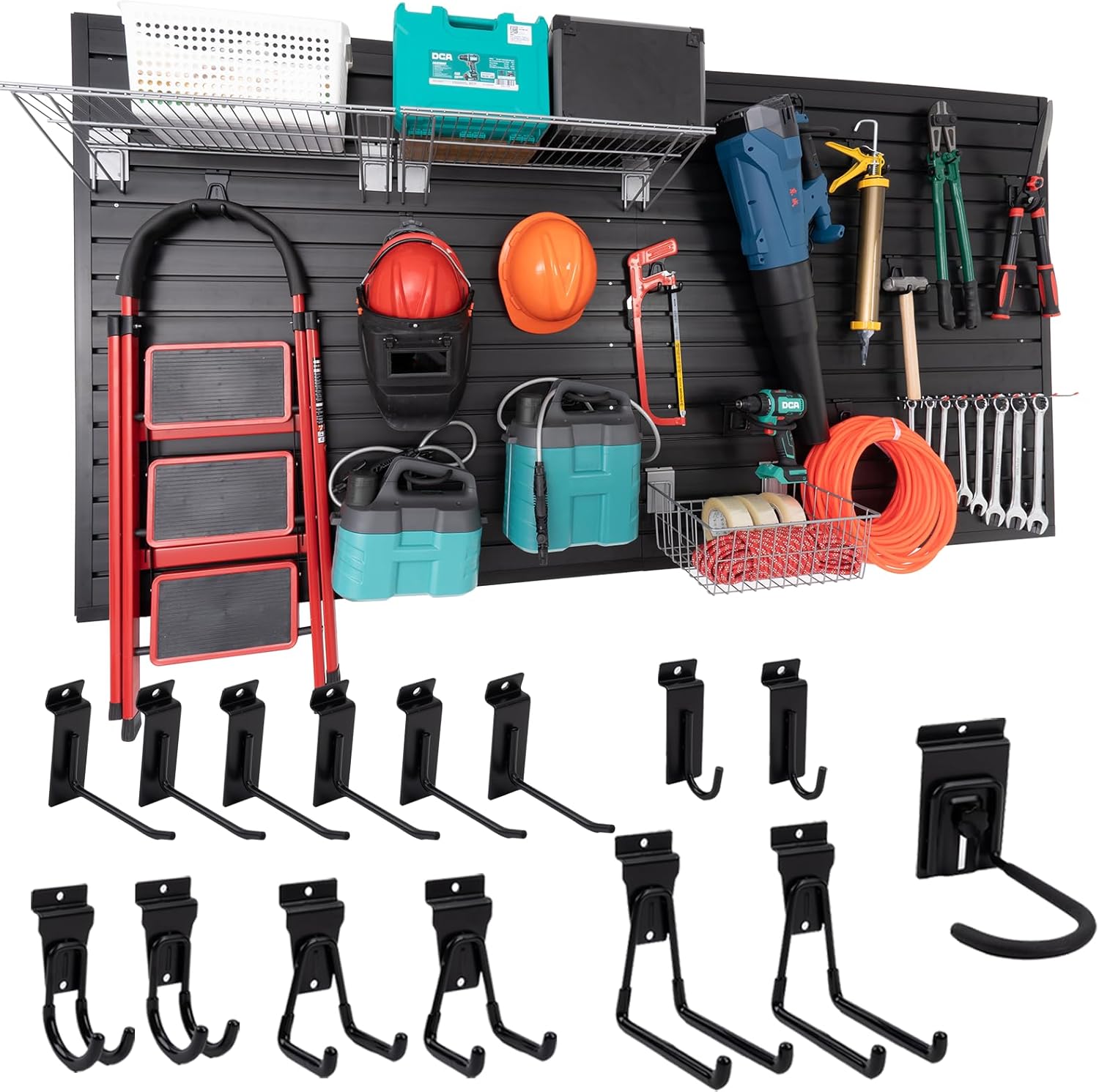
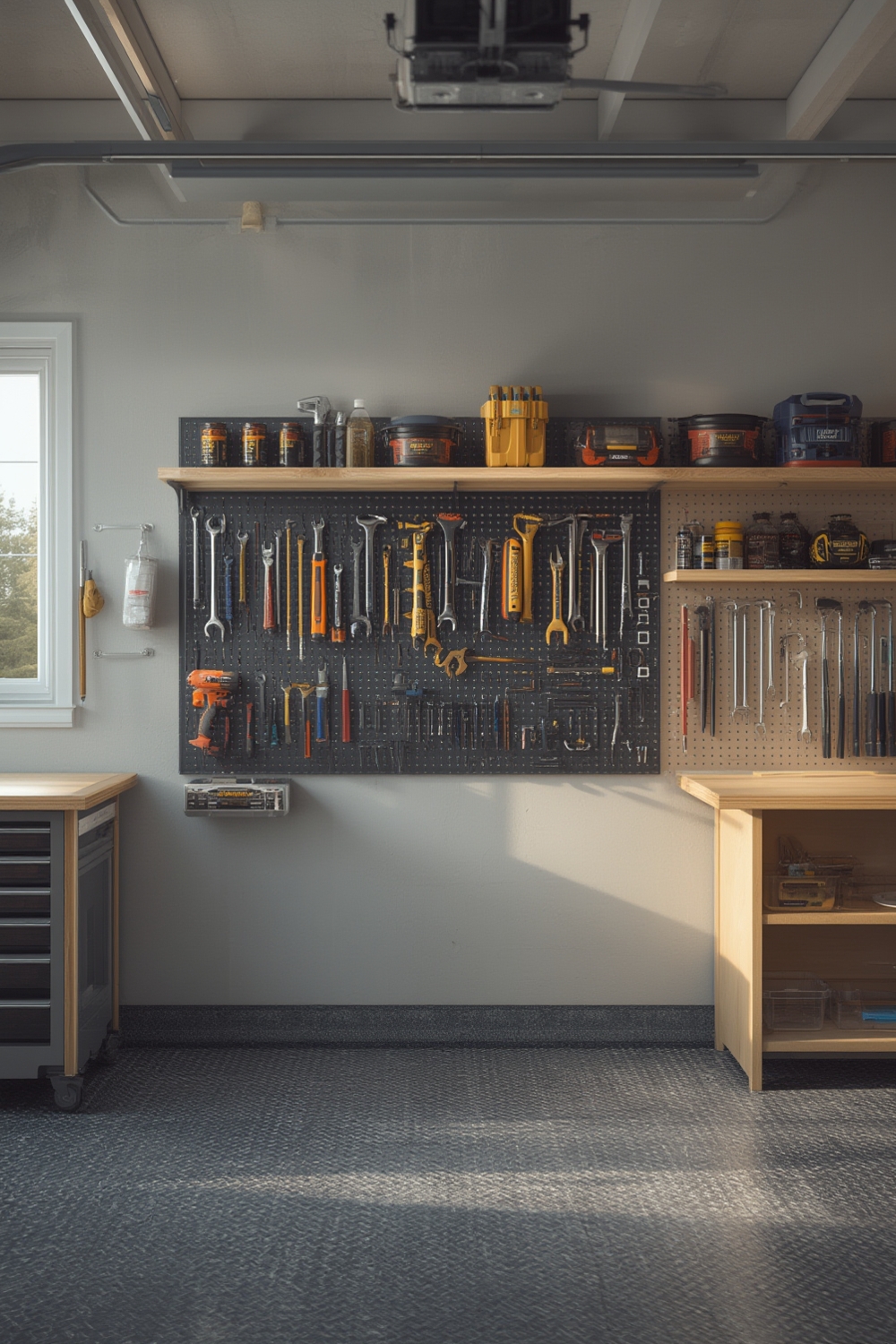
Tool organizer wall racks are wall-mounted systems designed to hold hand tools, power tools, and accessories in an organized, visible, and accessible way. Instead of digging through drawers or fumbling in bins, tools are displayed for fast access and easy inventory. These racks range from simple hooks and pegboards to advanced modular systems with specialized hangers for drills, battery chargers, and heavy tools.
Why does this matter? Every year, more garages are being upgraded from storage spaces to organized hobby zones. The global tool storage products market hit USD 1.7 billion in 2023 and is expected to reach USD 2.5 billion by 2032, led by strong growth in residential garages. In the US, garage applications now account for over half of all tool storage spending, and metal racks dominate due to their strength and durability. Urbanization, home improvement trends, and the surge of DIY projects make a tool organizer wall rack the go-to solution for space, safety, and efficiency.
Step-by-Step Guide: Installing a Tool Organizer Wall Rack
Organizing your tools may sound simple, but effective wall rack installation requires planning and a few pro tricks. Here’s how to get it done:
1. Take Stock of Your Tools
Lay out every tool you want on the rack. Group items by type: hand tools, power tools, attachments, and accessories. This initial step helps you assess space and determine which organizers you actually need.
2. Select the Right Wall Surface
Concrete, drywall, and stud-backed walls each support different weights. Always choose a wall that supports heavy loads, preferably with wooden studs or masonry. Avoid mounting on thin drywall alone unless you only store lightweight items.
3. Measure Your Space
Use a tape measure to record the height and width of the selected wall. Leave some clearance above and below the planned rack to accommodate future expansion or move taller items in and out.
4. Pick the Organizer Type
Decide if you want a pegboard, slatwall, rail, or modular shelving system. Metal racks offer the highest durability, while composite or plastic can work for light tools. Some models come with specialized holders for drills, screwdrivers, and cans.
5. Mark Mounting Points
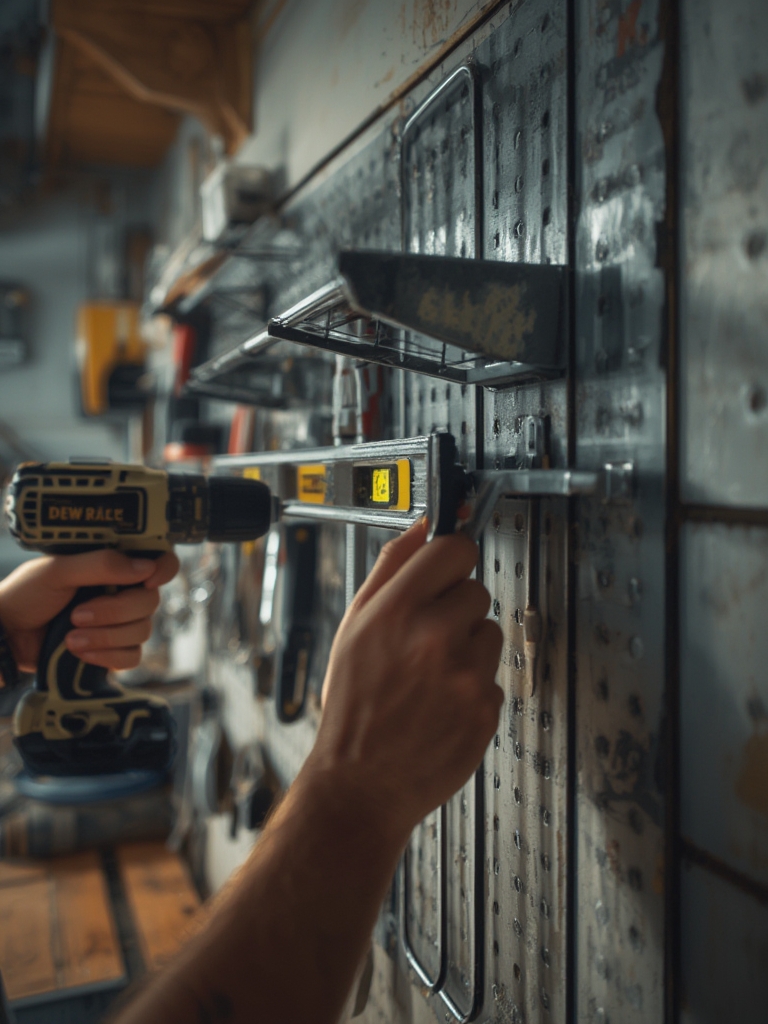
Use a level to keep the rack straight and Mark Mounting Points. For heavy-duty racks, always secure at least 2 points directly into wall studs (use a stud-finder) or use anchor bolts for masonry/brick. Avoid cheap drywall anchors for heavy tools.
6. Pre-Drill and Secure the Rack
Drill pilot holes where marked, attach the rack with lag bolts or heavy-duty screws, then double-check that all fasteners are tight. Test the rack by gently adding weight to ensure there is no flexing or shifting.
7. Arrange Tools by Frequency of Use
Put your most-used tools at chest level for quick access. Store rarely-used items higher up or lower down. Use labeled bins or small baskets for loose items. Modular pegboards or slatwalls make rearrangement easy and help you stay organized long term.
Need more space-saving ideas? For home offices or tiny garages, a foldable wall-mounted desk can double as an additional compact tool bench, maximizing every inch.
Advanced Analysis & Common Pitfalls
While tool organizer wall racks can transform your workspace, several challenges are common—especially with popular, budget-friendly kits. Here are the main issues and what to watch for:
Common Mistakes & Pitfalls
- Mounting Failures: Many racks fail because users fix them into drywall or poorly supported areas, resulting in collapse when loaded with heavy tools. Always use studs, masonry, or recommended anchors for your wall type.
- Underrated Weight Limits: Most affordable organizers do not specify exact weight limits or technical specs. It’s risky to overload cheap models—metal racks dominate because they handle stress and last longer, a clear preference in current global trends.
- Misfit Attachments: Not all racks, pegs, or holders work with modern power tools (especially larger drills or battery packs). Modular and adjustable racks provide far better long-term flexibility.
- Budget Quality Traps: Cheaper racks and shelves are tempting, but they are less durable, sometimes flexing or failing, especially if you add heavier garden or power tools.
| Feature | Metal Wall Rack | Plastic/Composite Rack |
|---|---|---|
| Durability | High – resists bending, ideal for heavy tools | Moderate – better for lightweight tools |
| Cost | Typically higher, but longer lifespan | Usually low upfront |
| Weight Capacity | Excellent (check brand specs) | Limited (often unspecified) |
| Installation | More secure, requires studs/anchors | Easy, but less secure for heavy loads |
Most new products in 2024 feature modular or space-saving designs—think removable bins, integrated hooks, custom rails. But don’t expect most entry-level racks to support really heavy gear or have foolproof mounting hardware. Serious hobbyists and tradespeople continue to opt for lockable steel cabinets or high-capacity chests, as noted in recent US market research. But if you want a visible system for fast tool access—and organization trumps outright security—modular wall-mounted racks offer the smartest balance.
Looking beyond the garage, organizing spaces and streamlining tools aligns with the rise of smart home cleaning and modern lighting solutions—a sign homes in 2024 are more functional than ever.
Conclusion
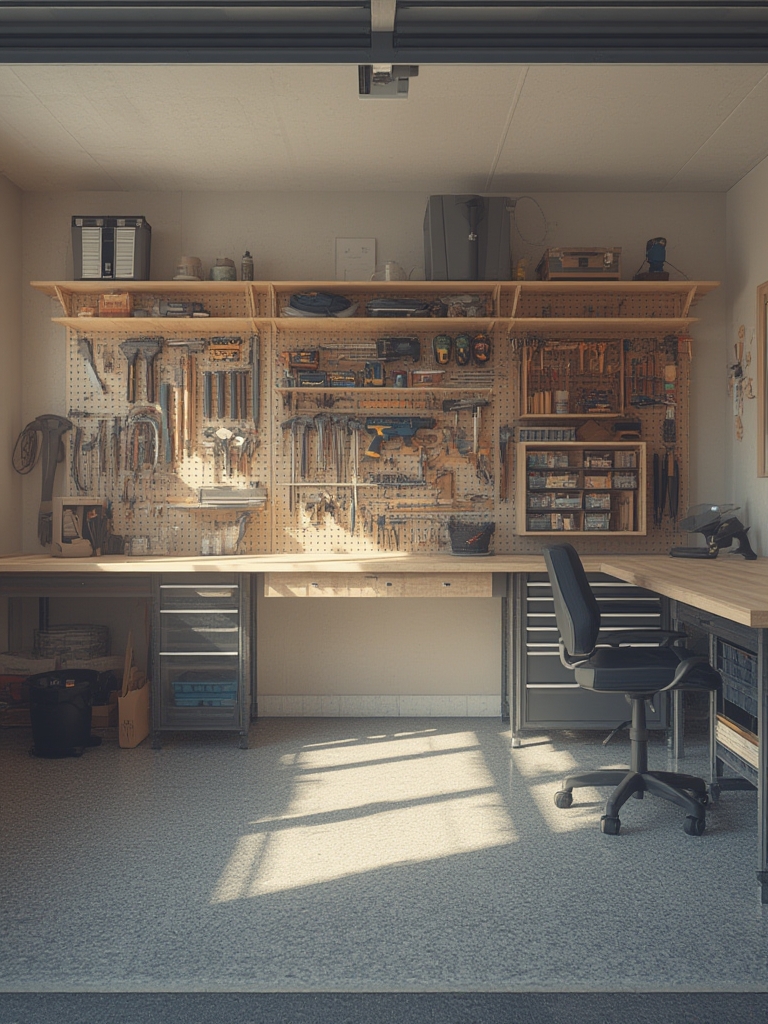
The shift to modular, visible, and space-saving tool organizer wall rack systems is no trend—it’s a practical response to changing lifestyles. Garage tool racks, especially high-quality metal options, are growing faster than ever as the DIY movement expands. If you’re ready to upgrade your workspace, start with the right rack for your needs, plan your layout, and invest in installation done right. The right tool organizer wall rack can turn chaos into clarity, letting you focus on work rather than hunting lost tools.
Ready to boost your home’s functionality? Explore more storage, workspace, and smart upgrades with our latest home improvement guides, and start transforming your space today.
Frequently Asked Questions
What’s the best type of wall rack for power tools?
Choose a metal modular wall rack with specialized holders and adjustable shelves. Metal racks offer superior strength and flex less under weight, making them ideal for drills, battery chargers, and other power tools.
Can I install a tool organizer wall rack on drywall?
Yes—if you anchor it into wall studs or use heavy-duty drywall anchors. For heavy tools, stud mounting is essential to prevent collapse.
How much weight can a typical wall rack hold?
Manufacturers rarely specify, but basic metal racks often support 50-100 pounds if properly secured. Always check the manufacturer’s guide or err on the side of caution.
Are there budget-friendly options for wall tool organizers?
Yes, plastic or composite racks are cheaper but work best for lightweight tools. For anything heavy, it’s better to spend a bit more on metal or reinforced composite models.
How do these systems compare to tool chests or stationary cabinets?
Wall racks offer visibility and quick access, making them ideal for regularly used tools. Tool chests and cabinets provide greater security and storage for larger or more expensive items, which is why professionals often use both.