

Raised garden bed kit setups are transforming the way people grow food and flowers—no matter your yard size or climate—making it easier, faster, and more productive to start a thriving home garden.
Key Takeaways
- Raised garden bed kits offer up to 35% higher yields than traditional ground gardening due to reduced soil compaction and better drainage.
- Innovations in 2024 include smart technology, modular systems, recycled and biodegradable materials, and integrated irrigation, expanding choices for beginners and urban dwellers.
- Material choice—wood, metal, bamboo composite—impacts longevity, maintenance, and environmental footprint. Consider climate and setup needs when choosing.
- 1. The Core Concept: What is a Raised Garden Bed Kit and Why Choose One?
- 2. Step-by-Step Guide: How to Set Up a Raised Garden Bed Kit
- 3. Advanced Analysis & Common Pitfalls
- 4. Conclusion & Next Steps
- 5. Frequently Asked Questions
The Core Concept: What is a Raised Garden Bed Kit and Why Choose One?
A raised garden bed kit is a pre-packaged set of components—such as frames, connectors, and hardware—designed for fast assembly to create an above-ground planting area. These kits eliminate many hassles associated with traditional in-ground gardening, such as soil quality, weeds, and poor drainage.
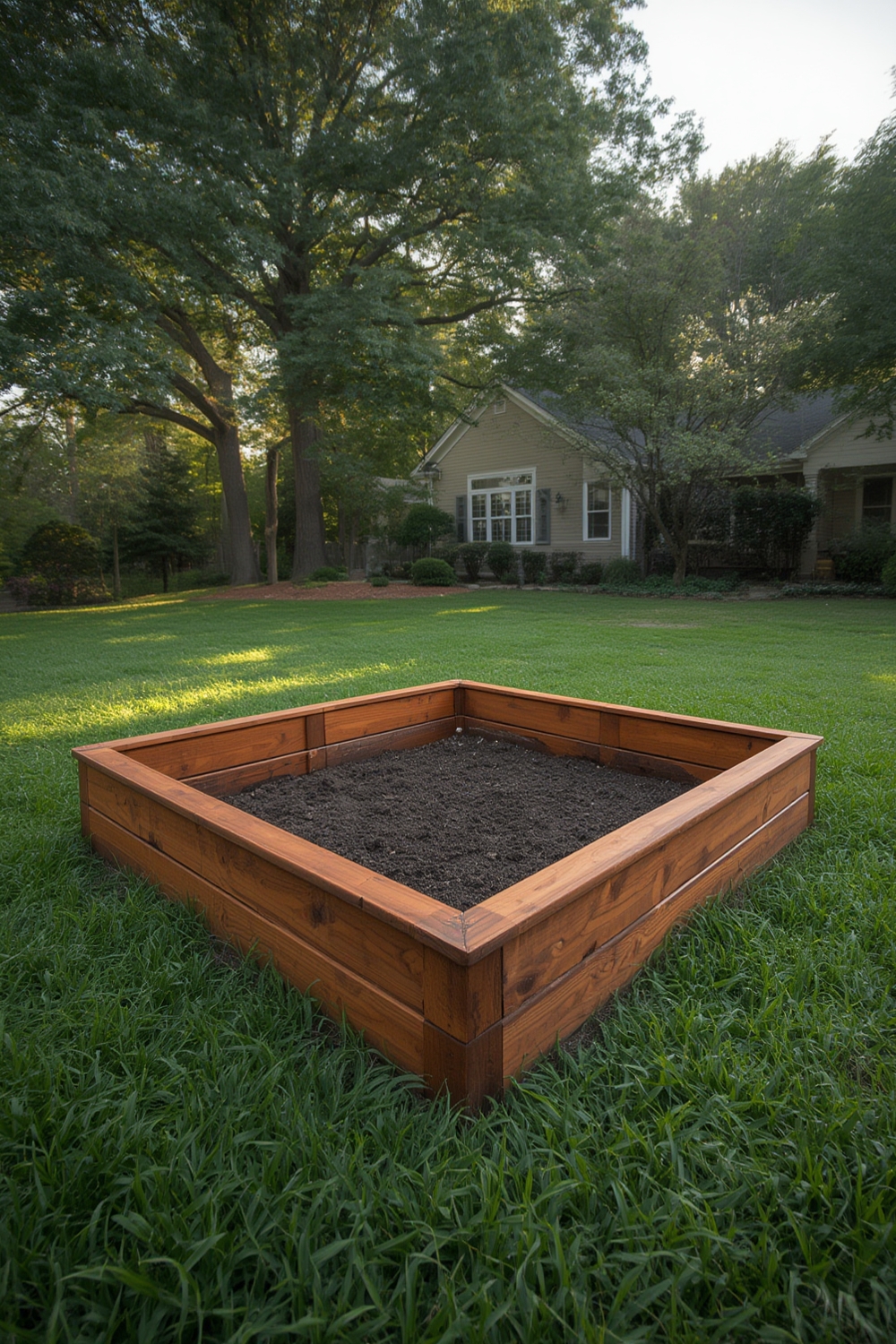
Modern kits, popular in 2024, offer a wide choice of materials and styles. According to industry reports, over 50% of new gardens now use raised bed formats (source), tapping into growing demand among city-dwellers, families, seniors, and schools. Modular and customizable versions let you tailor your garden to balconies, rooftops, or large backyards, while smart technology and integrated irrigation take the guesswork out of daily care.
By separating your soil from the natural ground, you avoid most weed and pest problems. Raised beds also allow fast changes to your soil mix, so you can grow vegetables, herbs, or flowers even where the ground is rocky, clay-filled, or contaminated. The design is highly ergonomic, helping those with mobility needs or those looking to save space.
For more ways to make your home smarter, check out our smart home devices guide.
Step-by-Step Guide: How to Set Up a Raised Garden Bed Kit
Building a raised garden bed from a kit is straightforward regardless of whether you choose wood, metal, or recycled composite. Here’s a step-by-step outline that reflects current design and material trends.
- Choose the right location. Select a spot with at least 6-8 hours of sunlight. If possible, choose level ground near a water source for easy irrigation.
- Prepare the base. Remove sod or grass, or place your bed directly on pavement or gravel (ideal for compact urban setups). Lay cardboard or weed block on bottom.
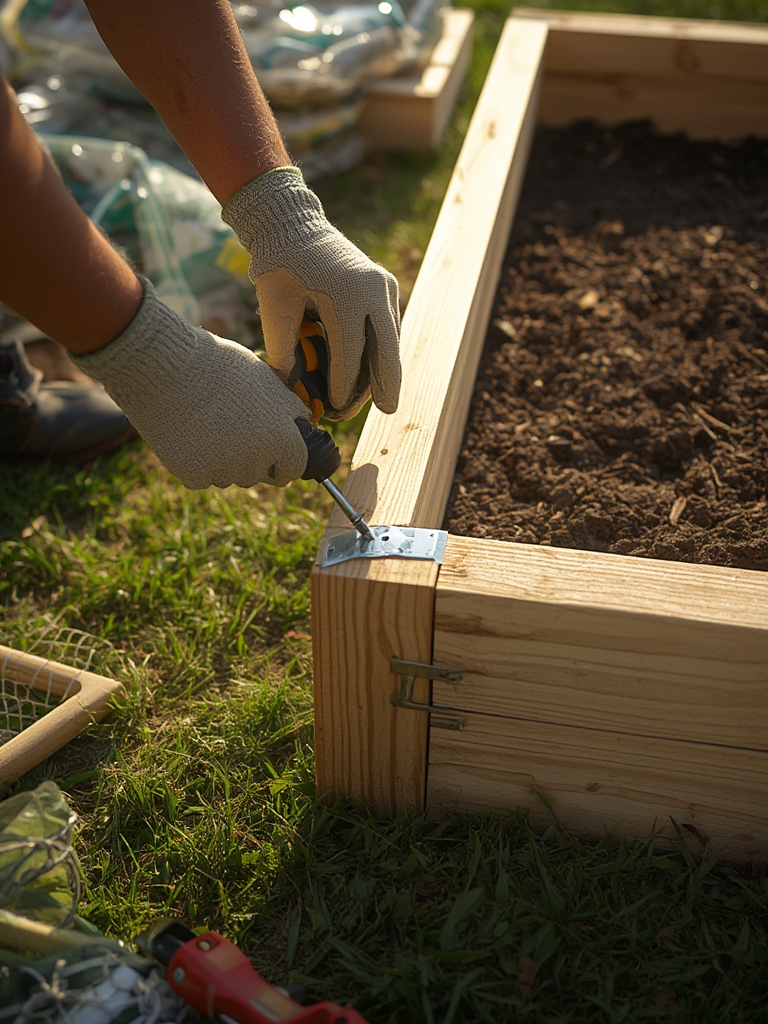
- Assemble the frame. Follow the manufacturer’s instructions. Most modern kits use easy-lock panels or slide-in corner connectors for tool-free assembly. Secure all fittings tightly—loose frames may deform over time, especially with heavy soil.
- Add soil. Fill with a high-quality soil blend tailored to your crops (typically 60% topsoil, 30% compost, 10% perlite or sand for drainage). For deep-root crops, fill to at least 12 inches; most kits are 10-18 inches deep.
- Install special features. If your kit includes irrigation drip lines, sensor probes, or solar-powered waterers, install these before filling completely with soil. Check all seals to avoid leaks or sensor errors.
- Plant and mulch. Plant seeds/transplants as directed. Top with straw, bark chips, or similar mulch to retain moisture and suppress weeds.
- Monitor and tweak. Set up smart sensor alerts if you have IoT features. Adjust watering and sunlight based on app or manual observations. For more automation tips, explore our smart home technology guide.
Maintenance tips: Check metal bed coatings twice a season for chips to prevent rust. For wood beds, reapply natural oil or stain yearly to fight water damage. Replace malfunctioning IoT batteries each spring.
Looking to power smart beds off-grid? Visit our guide to portable home power stations for practical backup solutions.
Advanced Analysis & Common Pitfalls
Raised garden bed kits are not immune to challenges. Some issues are tied to material and assembly, while others relate to long-term use or climate adaptation. Here’s what to watch for in 2024:
Common Pitfalls by Material
| Material | Pros | Common Problems | Maintenance Needs | 2024 Trends |
|---|---|---|---|---|
| Wood (untreated, FSC-certified) | Natural look, customizable, easy to saw/drill | Rot, weathering, pest infestation | Annual oil/sealant; replace boards after 3-6 years in harsh climates | 45% of global sales; growth slowing (source) |
| Metal (galvanized steel/aluminum) | Very durable, pest-resistant, modern aesthetic | May overheat soil in intense sun; coating can chip or rust in salty/humid climates | Visual check for chips, prompt recoating; rinse salt deposits if coastal | Gained traction rapidly after 2023; Birdies anti-rust series up 27% in durability |
| Recycled/Composite (PVC, bamboo) | Rot-proof, lightweight, eco-friendly | UV degradation for some plastics; bamboo models new, lifespan uncertain | Monitor UV exposure; follow brand cleaning guides | Bamboo composites/biodegradable kits rising; 15% of 2024 new launches |
Unrealistic Expectations
- “No-maintenance” claims are exaggerated: All raised beds require annual upkeep. Wood beds, in particular, need sealing or staining to extend their usable life.
- Smart features improve yield, but do not make gardening fully hands-off: IoT beds can boost productivity by up to 23% (source), but sensor calibration and occasional manual checks are still critical.
- Poor assembly leads to headaches: Failing to secure all joints or skipping anchoring steps for tall or modular kits can cause bowing, frame separation, or soil leakage.
- Soil and water misjudgments: Using poor quality fill or cheap bagged compost often results in nutrient lockout, stunted growth, or waterlogging, negating the benefits of the raised system.
Yield and Return Realities
Expect around 35% more produce than an in-ground bed of the same size if managed properly (source). Using pre-made kits, the ease of setup can offset time spent on soil prep, but yields still depend on careful watering and sun exposure. For tech-driven gardens, invest in reliable power backups for smart sensors. Find our portable power station guide to keep your smart beds running during outages.
Shipping and Assembly Concerns
- Large metal or modular kits can be heavy and may require two people for safe assembly.
- Extra shipping costs may apply for bulkier, oversized kits.
Want more ways to create a smarter, healthier home? Check out our guides to smart air quality monitors and LED strip lights for bedrooms.
Conclusion & Next Steps
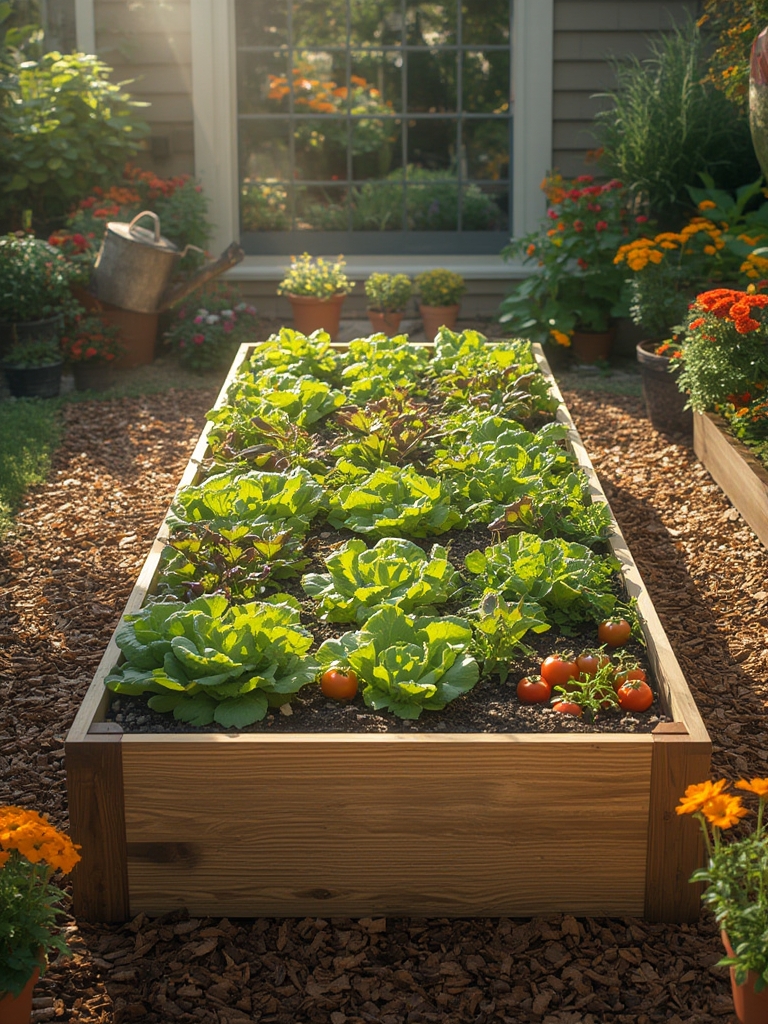
Raised garden bed kits give you the flexibility, efficiency, and higher yields traditional gardens can’t match. By choosing the right material, planning your location, and using innovative add-ons like integrated irrigation or smart monitoring, you can maximize results even in small or challenging spaces. Stay realistic about maintenance and watch for material-specific issues, and you’ll see why the raised garden bed kit is a 2024 must-have for beginner and expert gardeners alike. Ready to upgrade your space? Shop, plan, and enjoy the garden you truly want this season.
Frequently Asked Questions
What is the main advantage of raised garden bed kits over traditional gardens?
Raised garden bed kits improve drainage, reduce soil compaction, and offer up to 35% higher yields. They are easier to maintain and work well in places with poor native soil or limited outdoor space.
Are smart or IoT-enabled raised garden bed kits worth the investment?
For tech-savvy gardeners or those seeking less manual monitoring, smart kits can boost productivity by up to 23%. They are especially useful if you’re away often or want to automate irrigation and soil care, but still require some manual tweaks.
Which material lasts longest for raised garden beds?
Galvanized steel or treated metal beds now outlast most wood models, especially with anti-rust coatings. Wood beds are affordable but can need board replacement or refinishing every few years, especially in wet climates. Recycled PVC or new bamboo composites offer promising lifespans, but long-term data is still emerging.
Can I install a raised garden bed kit on a balcony or terrace?
Yes, compact and modular raised garden bed kits are specifically designed for urban and small-space gardening. Select lightweight materials like recycled composite or coated metal and always check your balcony’s weight limit before filling with soil.
How do I choose the best soil mix for my raised bed?
Use a blend of 60% high-quality topsoil, 30% compost, and 10% perlite or sand. Customize further for specialty crops like root vegetables or herbs. Avoid using plain garden soil or cheap bagged mixes with lots of fillers.