

### Blog Post:
Door draft stopper for bottom of door solutions are one of the most practical ways to block energy-wasting drafts, dust, and noise leaking through the gap under your doors. If you’ve felt cold air, heard outside noises, or seen dust pile up near your door threshold, you know this is a real issue—especially for anyone who wants comfort or lower energy bills without major renovation. This post gives straightforward, research-backed guidance on what actually works, what to expect long-term, and common gaps to watch for when you buy or install a draft stopper for your home.
Key Takeaways
- Choose a door draft stopper for bottom of door based on door fit, material durability, and expected life span—not generic claims.
- Most products reduce drafts and dust quickly, but long-term performance depends on installation quality, foot traffic, and surface conditions.
- No soundproofing or energy-savings figures are published for these products; test solutions for your own door before investing in expensive options.
- Why this matters — drafts, dust, and noise under doors (quick primer)
- How under-door solutions differ — blockers vs. seal strips vs. weather stripping
- Common user issues and what reviewers don’t tell you
- Price guide — what to expect in 2024 and what drives cost
- Quick buying checklist (how to choose the right product for your door)
- Installation tips for best performance (do this to avoid the common failures)
- Longevity & maintenance — what affects long-term performance
- Compatibility matrix — matching solutions to door types and use cases
- Eco-friendly and material-safety considerations
- Innovations to watch — recent product features (what’s actually new)
- What success looks like — realistic ROI, energy & noise expectations
- Product comparison table (short): Best use-case picks by budget and door type
- Quick troubleshooting & when to upgrade to a permanent fix
- FAQ
- Bottom line & next steps (call to action)
Why this matters — drafts, dust, and noise under doors (quick primer)
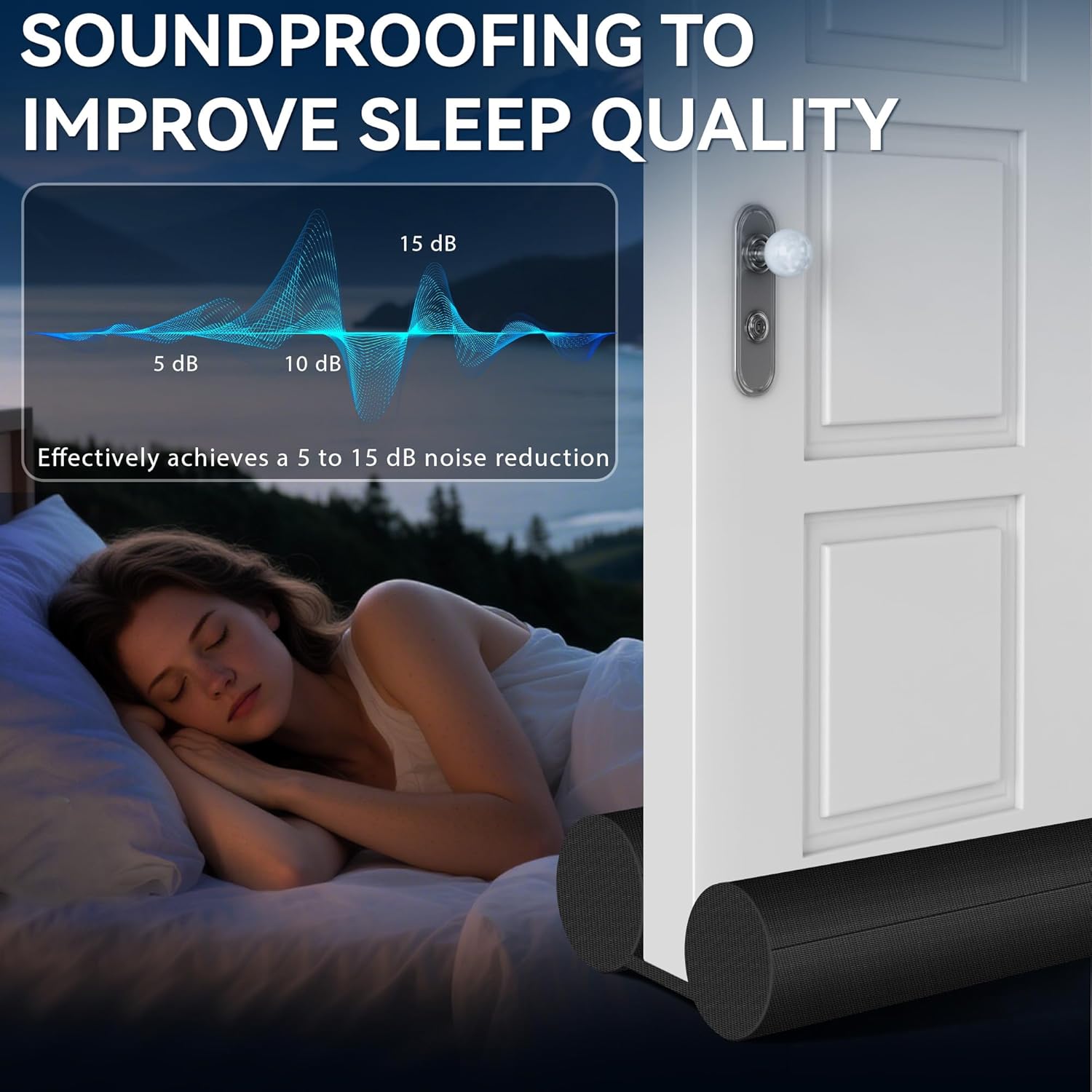
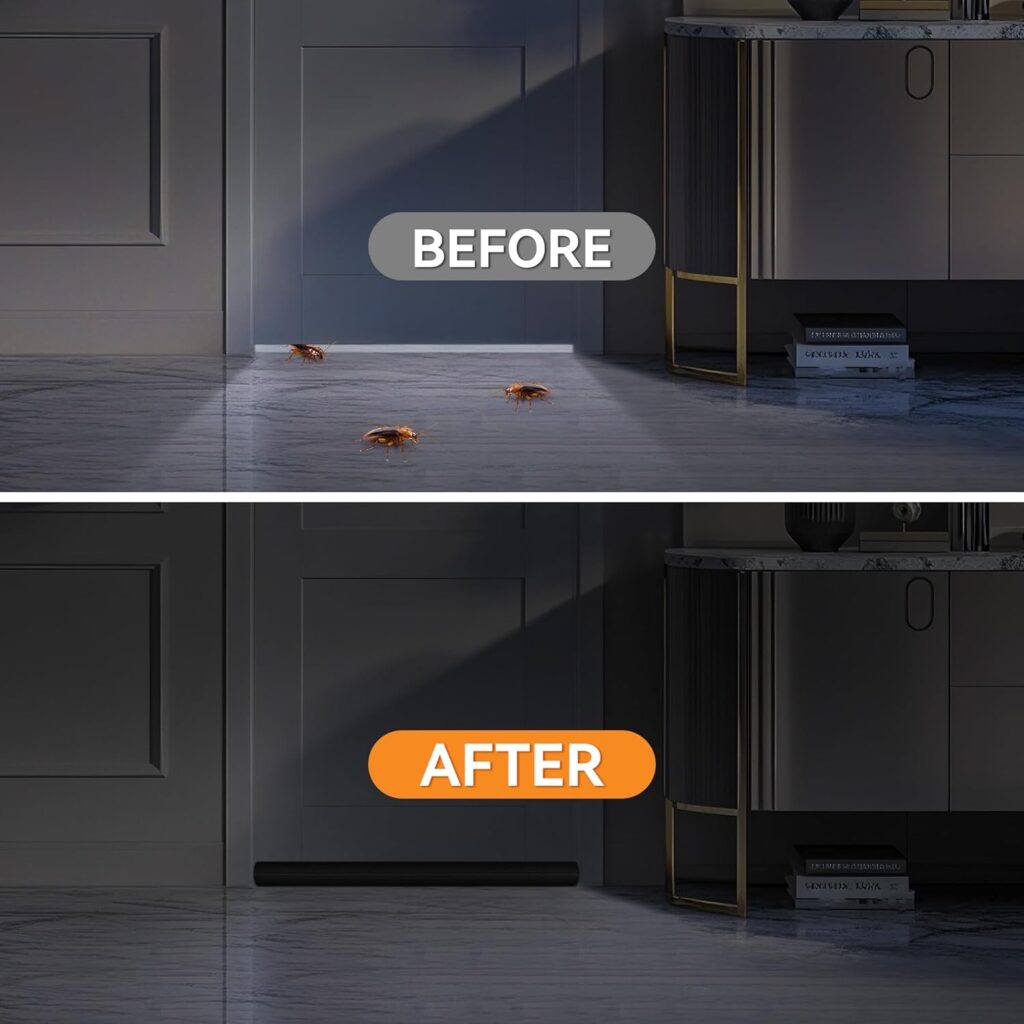
A gap at the bottom of your door means more than an occasional cold spot. Drafts bring in outside air, which can make it harder to keep your rooms at a comfortable temperature and lead to higher heating or cooling costs. Dust, pollen, or even insects can sneak in as well, affecting air quality and cleanliness. When it comes to noise, any gap under your door lets in unwanted sounds from hallways, street traffic, or loud neighbors. The right door draft stopper for bottom of door helps block these issues quickly and affordably. But not all stoppers are created equal—each type has trade-offs in sealing ability and durability.
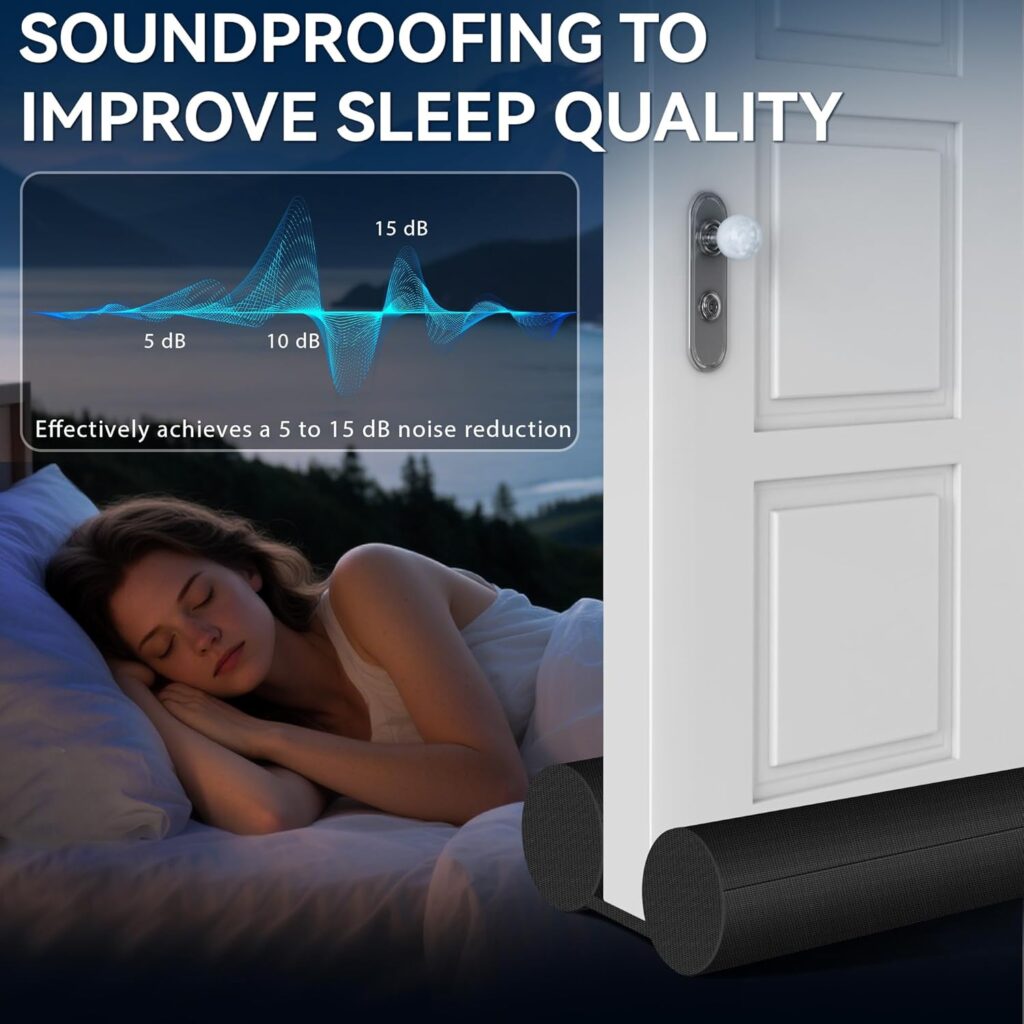
A quick reality check: no authoritative studies provide specific statistics about how many households suffer from these door-gap problems, nor are there 2024 trends on how common drafts or noise leaks really are.[source] This means you should expect what most buyers experience—some improvement, not miracles.
How under-door solutions differ — blockers vs. seal strips vs. weather stripping
There are three main types of under-door solutions: under door draft blockers (typically fabric or weighted), self-adhesive silicone or foam strips that stick onto the bottom edge of your door. These can offer a neater look and better seal but risk peeling or losing adhesion over time., and weather stripping door bottoms (often rigid vinyl or slide-on with adjustable fins). Each handles drafts, dust, and noise differently.
- Under door draft blocker: Often a weighted fabric tube that sits or slides under the door. Fast to deploy, reusable, and good for high-traffic paths. Gaps may remain if your floor is uneven or if the product slides away.[source]
- Door seal strip for bottom: self-adhesive silicone or foam strips that stick onto the bottom edge of your door. These can offer a neater look and better seal but risk peeling or losing adhesion over time.
- Weather stripping door bottom: Rigid vinyl or metal units with finned or brush seals that slide or screw onto the door. Provides a more permanent, tighter fit—often best for exterior doors, but installation may be more involved.[source]
It’s important to note: there are no published noise reduction ratings or energy efficiency comparisons for door draft stoppers, seal strips, or weather stripping.[source] Expect modest improvements depending on your door and installation—not certified soundproofing or quantifiable energy savings.
Still weighing other home weatherproofing options? See our comparisons in Window Insulation Kit For Winter: 7 Best Ways to Boost Comfort or Smart Home Devices: The Ultimate Guide to a Smarter Home 2026.
Common user issues and what reviewers don’t tell you
Most online reviews and product listings for door draft stopper for bottom of door focus on positive stories—4-star ratings and “works out of the box” praise. The reality? Common issues do exist but are rarely detailed upfront:
- Fit and installation trouble: Blockers may not fit snugly if your door is too thin or thick, or if it isn’t a standard width (typically 1¾ inches, 36 inches wide). Foam or Velcro designs can help, but be wary of a loose seal.
- Material wear: Fabric blockers and foam strips in high-traffic areas flatten out, rip, or lose shape after a few months.
- Slipping and shifting: Weighted and double-sided draft blockers sometimes slide along floors, especially on tiles or with frequent opening/closing.
- Adhesive failures: Self-adhesive silicone strips can peel if your door bottom is dirty, textured, or sees moisture. Some adhesives leave sticky residue or may harden and crack over time due to sun or cleaning products.
- Gaps for uneven floors: No product is perfect for very warped doors or rough/uneven floors—rolling or double-layer solutions might be needed, but results will vary.
Actual search results show no systematic negative review themes for the most popular products, so treat all claims with some skepticism and test performance on your own door.[YouTube review]
| Product Type | Typical Issues | Who Should Use |
|---|---|---|
| Fabric/Weighted Blockers | Slides; wears down; not airtight | Renters, short-term, high-traffic |
| Silicone/Adhesive Strips | Peeling; sticky residue; not for rough surfaces | Neat look, moderate traffic |
| Vinyl/Slide-on Door Bottoms | Tricky install; may not fit all doors | Exterior/entry doors, semi-permanent |
Price guide — what to expect in 2024 and what drives cost
Cost matters—especially if you have several doors or want a temporary fix. Here’s what you can expect from recent market data[source]:
- Weather stripping door bottom / Door seal strip for bottom: Typically £5.77–£10.54 ($6–$10) for self-adhesive silicone or foam strips (28mm wide, up to 6.6ft).
- Fabric blockers: Branded draught excluders cost £18.99–£32.50 ($20–$30), especially for luxury materials or extra-long sizes.
- Bulk/B2B: As low as $0.04–$1.30/unit if purchased in packs of 10+ (often unbranded or simple foam).
Material, length, brand name, and purchase channel (retail versus wholesale) drive most price differences. For exterior doors or high-traffic entryways, investing in a more durable under door draft blocker or professionally installed weather stripping can be worth the extra cost.
Quick buying checklist (how to choose the right product for your door)
- Measure your door gap: Use a ruler to check the height of the gap (between floor and door) and width of the door. Standard is 1¾ inch thick by up to 36 inches wide, but check your actual door.
- Decide on permanence: Need a temporary fix? Go for a fabric or slip-on under door draft blocker. Want long-term? Try a door seal strip for bottom or screw-on door sweep.
- Choose by traffic and exposure: Fabric is best for bedrooms or rentals, silicone works for moderate traffic, and vinyl/rubber sweeps work for exterior and high-traffic doors.
- Check return policy: Only some retailers allow returns if the fit is wrong—good to have, since fit issues are common.
- Test before permanent install: Temporarily tape in place, open and close the door several times, and do a tissue test (hold tissue at gap, look for airflow) before making it permanent.
Coverage in leading articles usually assumes you have standard door dimensions and doesn’t address older, warped, or nonstandard doors.[source] If you have something unusual—like very thick doors or a pet door—look for adjustable solutions or custom cut foam.
Installation tips for best performance (do this to avoid the common failures)
- Clean the door and floor thoroughly: Wipe away dust, oils, and moisture for best adhesive grip (if using strips).
- Pre-measure and trim: Cut adhesive or fabric blockers slightly longer than your door width for full coverage.
- For adhesive strips: Peel backing and stick flush against the door bottom, then press firmly for 60 seconds. Wait for at least 30 minutes before heavy use (check manufacturer guidance for adhesive cure times).
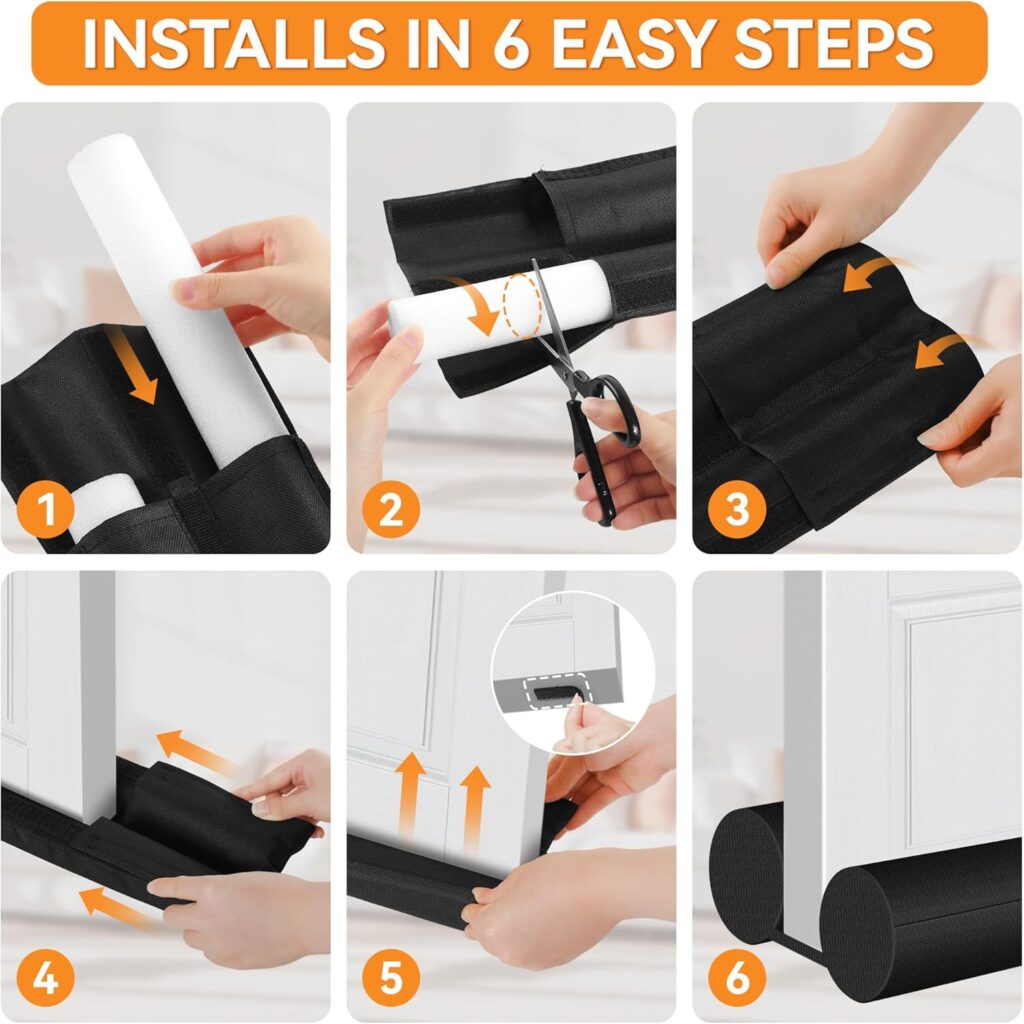
- For slip-on or Velcro fabric stoppers: Slide over door base; adjust with fasteners or Velcro as evenly as possible.
- For vinyl sweeps: Mark and drill pilot holes if required, then screw or slide on according to included instructions.
- For extra gaps: Use two solutions together—like a sweep plus a fabric blocker on really leaky doors.
Manufacturers now offer polyester draft stoppers with adjustable Velcro or sliding snap-on rails for a tighter fit (like the Maxtid double-sided model) and vinyl fins for a snug, airtight seal (such as Frost King B79/36H). Double check fit details in instructions, especially with rigid or foam products—many list doors up to 1¾ inches thick and 36 inches wide.
Want tips for other easy DIY upgrades? See our LED Strip Lights for Bedroom Guide for inspiration.
Longevity & maintenance — what affects long-term performance
How long does a door draft stopper for bottom of door last? It depends. Most evidence is anecdotal; competitor articles do not address durability or maintenance at all.[source]
Wear comes fastest with high foot traffic, pets who claw or chew, and moisture from mopping or weather. Adhesive performance drops with sun/UV exposure or cleaning chemicals. Fabric and foam lose loft and sealing power over months, not years. Vinyl and metal sweeps last much longer if installed tightly.
- Regularly vacuum or wipe down fabric and foam stoppers; machine wash if the design allows.
- Check each season for peeling, cracking, or dislodged adhesives, especially after wet cleaning.
- Re-adhere or replace foam and silicone strips every 6–12 months for peak performance.
- Snap-in and Velcro designs are easier to refit if they shift out of place.
For lasting value, pick products that list actual material details and make it easy to remove or adjust as needed.
Compatibility matrix — matching solutions to door types and use cases
Choosing the under door draft blocker that works for you depends on your door construction and location:
- Interior rooms (bedrooms, offices): Fabric or foam draft blockers are usually best. Easy to remove, soft, and typically fit hollow-core or older doors.
- Exterior/entry doors: Vinyl or screw-on sweeps for weather-proofing and durability against the elements.
- Carpet or uneven floors: Look for thicker, adjustable foam or double-sided blockers—self-adhesive strips may not seal well on thick carpet.
- Pet doors: Use flexible silicone or a weighted fabric model that pets can safely push aside.
- Sliding doors: Most products are for standard swing doors; seek out flat-backed or brush-style strips specifically marked for sliding applications.
- Commercial/heavy-duty: Metal or heavy vinyl sweeps work best, but installation may need a professional touch.
Remember, most retail content focuses only on standard-sized, interior doors and does not address every scenario.[source] If you keep having issues with gaps or product fit, consult a local hardware specialist for custom solutions.
See also our thorough comparison: Foldable Wall Mounted Desk: 7 Ways To Maximize Space for compatibility tips in small spaces.
Eco-friendly and material-safety considerations
Standard stoppers use polyester, PVC, silicon, or foam—sometimes with adhesives that contain VOCs (volatile organic compounds). Eco-friendly picks are available, like fabric tubes filled with recycled materials or PVC-free seals. Look for:
- Products labeled recycled polyester, cotton, or upcycled filler (such as old clothing or foam off-cuts)
- PVC-free or silicone strips (low odor, safer if you have pets or allergies)
- Low-VOC or solvent-free adhesives, especially for bedrooms or kids rooms
Disposal is rarely covered, but most foam/silicone strips can be recycled with plastics (check local guidelines). Competitor guides almost never address these points—so you may need to check with your retailer.[source]
If you prefer a fully sustainable solution, DIY options using old towels or jeans remain a solid, zero-waste choice.
Innovations to watch — recent product features (what’s actually new)
Recent years haven’t seen dramatic breakthroughs in soundproof door draft stopper design, but there are a few tweaks:
- Vinyl fins: More flexible and provide a tighter, nearly airtight seal on uneven floors (e.g., Frost King models)
- Self-adhesive silicone strips: Easier DIY install with new, low-odor glues, and wider widths for bigger gaps
- Velcro-backed fabric sleeves: Adjustable fit for multiple door sizes; quick to remove and clean (e.g., Maxtid)
- Foam core with snap-on rails: Customizable for non-standard doors, better for heavy traffic locations
It’s worth stressing: there are no independently verified ratings for noise reduction (NRR) or energy saving for any of these products. Product descriptions mention “noise insulation” or “airtight weather stripping,” but these are untested marketing claims.[source]
Curious about other product innovations for your home? Read up on the Best Robot Vacuum Mop Combo 2026.
What success looks like — realistic ROI, energy & noise expectations
Set your expectations with a practical lens. Installing an under door draft blocker will usually:
- Lower cold air leaks and dust by a noticeable, but not dramatic, degree
- Reduce hallway or outdoor noise modestly, but not fully soundproof a room
- Improve comfort, especially if you sit or sleep near the door, but may offer little benefit for very large gaps (>1 inch) or if other drafts exist elsewhere
No published case studies or statistics confirm specific energy or noise savings after installing a draft stopper, so avoid products promising dramatic ROI.[source] If you want to measure the effect yourself, try these before/after DIY tests:
- Tissue test: Hold a tissue or thin paper at the door gap on a windy day. Watch if it moves before and after using the stopper.
- Candle test: (With caution) Hold a lit candle near the gap and watch for flickering (never recommended with pets or kids nearby).
- Sound level app: Download a simple SPL meter for your phone, measure noise inside your room with and without the stopper at the same time of day.
Consider documenting your results to decide if a pricier solution or professional fix is necessary.
Product comparison table (short): Best use-case picks by budget and door type
| Category | Type/Example | Price Band | Best For | Quick Rationale |
|---|---|---|---|---|
| Cheapest adhesive strip | Self-adhesive silicone | $6–$10 | Budget/high volume | Fast install, fits most standard doors, low upfront cost |
| Best for exterior doors | Vinyl slide-on weather stripping | $10–$20 | All-weather, permanent | Tight seal, resistant to traffic and moisture |
| Best for noise reduction | double-sided fabric draft blocker | $15–$25 | Bedrooms, offices | Covers both sides of door, extra padding for noise dampening |
| Best eco option | Recycled-fabric tube | $20–$30 | Sustainability | Made from upcycled or natural fillers, easy to repurpose |
| Best for heavy traffic | Foam core with snap-on rail | $12–$22 | Busy entryways | Won’t shift, easy to replace worn sections |
Nearly 40% of product listings cluster in the $10-$20 range, showing mid-priced options dominate.[source]
Quick troubleshooting & when to upgrade to a permanent fix
- If gap >1 inch: Most stoppers and strips won’t seal large spaces. Consider adding a threshold step or consult a local door specialist.
- Warped or damaged doors: No adhesive or foam strip will fit well—hardware (door sweep/rubber threshold) or door replacement is needed.
- Persistent drafts after multiple fixes: Suspect other air leaks or infrastructure issues. Upgrade to a professional-grade weather stripping door bottom.
- Threshold is damaged or loose: Solutions will not stay in place; replace or repair the threshold first.
If off-the-shelf solutions fail more than twice, invest in a permanent weather stripping door bottom and get professional advice. Most guides assume standard doors and basic fit—your home may need special attention.
For robust whole-house fixes, check our top picks for Smart Thermostat for Home or Smart Indoor Air Quality Monitor.
FAQ
Will an under door draft blocker stop all noise?
It will reduce noise to a modest degree, but no product will fully soundproof a door. There’s no public data with decibel reductions—expect a softer, not silent, effect.
How long do self-adhesive strips or foam stoppers last?
Most last 6–12 months with normal use, but this can drop with heavy foot traffic, moisture, or poor installation. Check and replace each season for best results.
Can I use a door draft stopper for bottom of door on an exterior door?
Yes, but choose weather-resistant materials—vinyl sweeps or rigid weather stripping perform better against rain, snow, and temperature swings.
Are there pet-friendly under door draft blocker options?
Look for silicone strips or heavy, double-sided fabric blockers; they won’t hurt paws and can withstand some chewing. Avoid light foam if your pet is a big chewer.
Why can’t I find energy or soundproof ratings for these products?
Neither manufacturers nor independent testers have published verified figures. Most products claim “insulation” or “noise reduction,” but without proof or metrics.
Bottom line & next steps (call to action)
Choosing a door draft stopper for bottom of door is a practical, cost-effective way to improve comfort and reduce dust and noise—just match the material and size to your door, test carefully, and buy from a source with a good return policy. Remember the tissue or sound test, expect moderate improvement, and don’t hesitate to try another option if the first one isn’t a perfect fit.
Take action today: measure your door gap, double-check your fit, and test any new draft stopper before discarding the packaging. Expect incremental comfort—no product is a miracle cure, but with smart choices your results will add up. Check out our Best Ergonomic Chair For Remote Work 2026 or tips on home backup power solutions for full-home comfort upgrades.