

### Blog Post:
Smart thermostat for home upgrades are one of the fastest and most proven ways to take control of HVAC costs, slash your energy bills, and enjoy remote temperature adjustment—all without overhauling your entire system or sacrificing comfort. But do the real-world savings and features live up to the hype? If you want no-nonsense numbers, a full breakdown of costs and compatibility, and hard data on how much you can truly save, this guide is for you.
Key Takeaways
- Smart thermostats realistically cut heating and cooling energy use by 10–15%, with top models like Nest Learning Thermostat and Ecobee reporting $100-$180 annual savings for many U.S. homes (ENERGY STAR).
- Payback is typically 1–2 years after accounting for device and installation costs—but check your system’s wiring and compatibility before you buy.
- Security, Wi-Fi reliability, and privacy are real considerations—scrutinize manufacturer data handling and ensure your home network is secure.
- Why a smart thermostat for home matters now
- How much will a smart thermostat actually save you?
- Monthly bill impact — worked examples and quick calculators
- Upfront and ongoing costs — what to budget in 2024
- Compatibility and technical integration with HVAC systems (including Alexa)
- Most common user complaints and connectivity pain points
- Privacy and data security — what manufacturers collect and protect
- Top 3 essential sub-topics many articles omit
- Brand comparison snapshot — who to consider in 2024
- Buying checklist & decision flow
- Conclusion — recommended next steps
- Frequently Asked Questions
Why a smart thermostat for home matters now
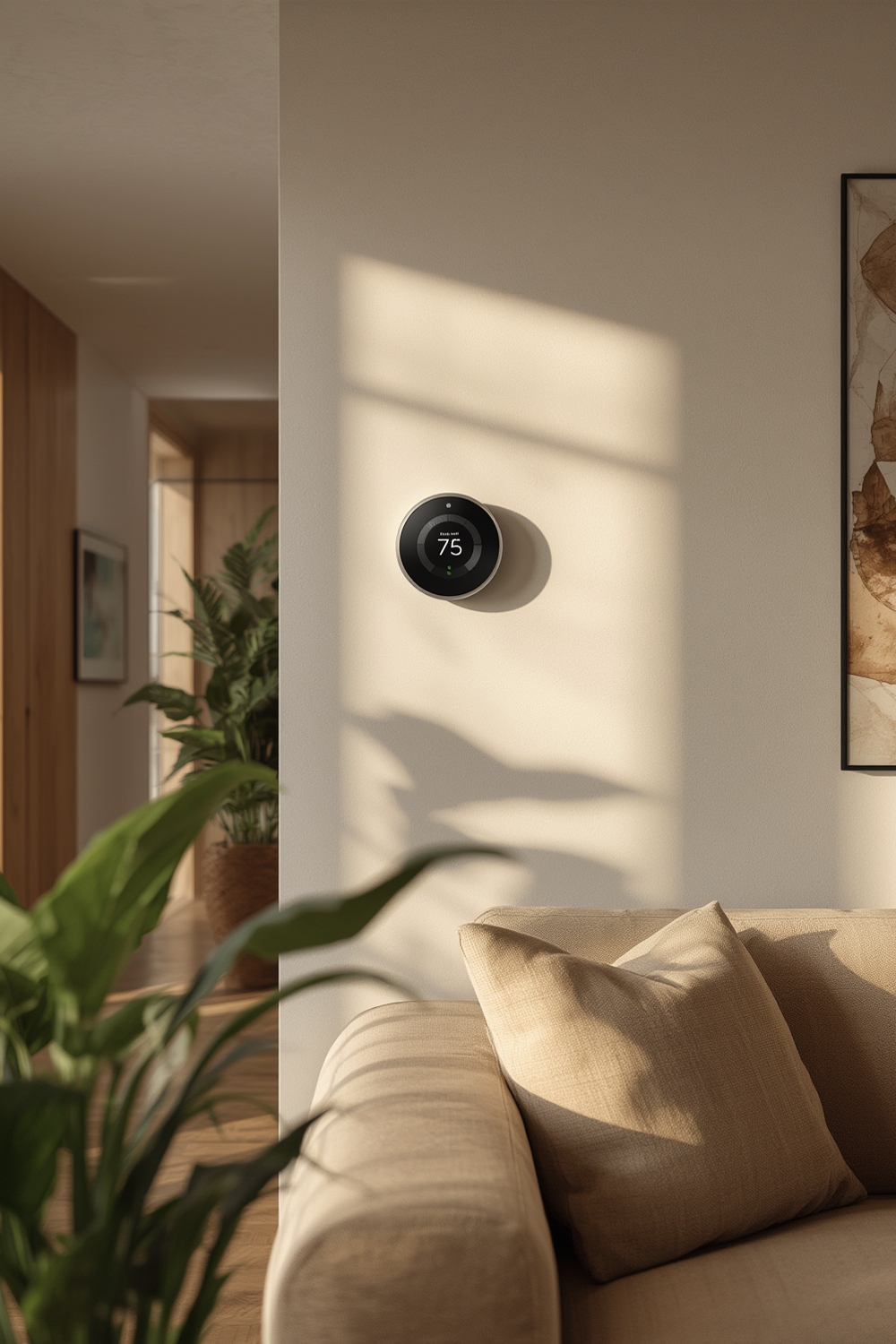
Rising energy costs have made heating and cooling one of the biggest ongoing expenses for American homeowners. The U.S. smart thermostat market reached $2.36 billion in 2024, showing mainstream adoption by those seeking to battle unpredictable utility bills and upgrade comfort (Grand View Research). Replacing a traditional thermostat with a smart model allows automatic scheduling, remote access, and data-driven optimizations—features that can reduce bill shock and give you much more control year-round. However, actual savings will vary with your climate, insulation, and usage style. It’s not always plug-and-play, so knowing the numbers and trade-offs up front is critical.
How much will a smart thermostat actually save you? (realistic savings ranges)
The average energy saving smart thermostat is credited with 10–15% cuts to combined heating and cooling costs (source). But your results depend on:
- Climate zone: Cold northern homes see the most on heating. Southern climates save more on electric AC.
- Original thermostat: If you’re switching from a manual model with no schedule, savings are larger. Replacing an old programmable smart thermostat may offer less.
- Insulation & HVAC efficiency: Drafty homes or high-efficiency furnaces/central ACs both skew results.
- User behavior: Households that already adjust set points and use setbacks aggressively will save less.
Reliable data from industry leaders (2023–2024):
- Nest Learning Thermostat: 10–12% heating and 15% cooling savings (source), with “Seasonal Savings” features bumping numbers an extra 1.5%–1.8%.
- Ecobee Smart Thermostat Premium: Up to 23% cut on heating/cooling (source), but these are best-case, high-engagement users.
- ENERGY STAR: $50 per year is the median, but $100–$180 is common if your home is above average size or efficiency is low (source).

Range of realistic results by scenario:
- Heating-heavy cold climate: If you use $120/month on heating, expect $12–$18/month in savings (Nest/Ecobee).
- Cooling-heavy southern home: If AC costs are $150/month in summer, $15–$22/month savings possible.
- Average U.S. home: Total annual savings is typically $50–$180, depending on how much heating/cooling you actually use.
Monthly bill impact — worked examples and quick calculators
It’s easier to decide if you can see real numbers. Here are three worked examples for smart thermostat for home upgrades:
| Scenario | Monthly HVAC Bill | % Savings | Monthly Savings | Annual Savings |
|---|---|---|---|---|
| Cold Climate, Old Manual Thermostat (Oil/Gas) | $200 | 15% | $30 | $360 |
| Average US Home (Mixed HVAC) | $100 | 12% | $12 | $144 |
| Hot Southern State, Central AC (Electric) | $120 | 15% | $18 | $216 |
| ENERGY STAR Median | — | — | $4.17 | $50 |
For an instant estimate, multiply your own heating and cooling costs by 10–15%. For example, if your last 12 months’ HVAC spend is $1,200, you’ll likely save $120–$180 each year. With a typical Nest or Ecobee, payback time is 1–2 years for most homes.
Upfront and ongoing costs — what to budget in 2024
The price of a new programmable smart thermostat covers three areas: device, installation, and possible subscriptions.
- Device MSRP (2024):
- Nest Learning Thermostat: $249–$259
- Ecobee Smart Thermostat Premium: $249–$269
- Honeywell Home T9: $170–$210
- Emerson Sensi Touch: $129–$179
- Installation: DIY is possible if you have compatible wiring. Otherwise, expect $100–$250 for a professional install (especially if C-wire adapters are required).
- Subscription (optional): Most brands do not require a recurring fee for basic scheduling/remote control. Ecobee offers paid smart monitoring (around $5/month) for select features.
The energy saving smart thermostat pays for itself in 1–2 years for most U.S. households (per Nest’s $140/yr average), especially if you install yourself and avoid subscription add-ons.
(Note: Pricing based on 2024 MSRP at Best Buy, Amazon, and manufacturer sites. Installation costs reflect HomeAdvisor and Angi estimates.)
Wondering if you should install yourself or hire a pro? See “Top Sub-Topics” later in this guide—and read our full Smart Home Devices: The Ultimate Guide for more budgeting strategies.
Compatibility and technical integration with HVAC systems (including Alexa)
Not all wifi thermostat for hvac upgrades are created equal. Before you buy, check both wiring and HVAC support:
| Checklist Item | What to Check |
|---|---|
| Wiring | Most require a C-wire (common); some models support “power-stealing” or include a plug-in C-wire adapter. Check behind your existing thermostat for wire labels. |
| HVAC System Type | Single-stage, multi-stage, central AC, heat pump, and gas/oil furnaces are usually supported. Two-stage/variable speed systems need specific models (check manufacturer docs). |
| Alexa Integration | All leading brands (Nest, Ecobee, Honeywell, Emerson) support Alexa via Wi-Fi and cloud API. You must link your brand account to Alexa (using Skills) to enable voice commands. Some controls (e.g., advanced schedules) may require manufacturer’s app, not Alexa voice. |
Hints for checking your system:
- Remove your old thermostat and check labeling (R, W, Y, G, C). No C-wire? Some brands ship with “Power Extender Kits.”
- If you have a heat pump or multi-zone system, double-check on Nest/Ecobee/Honeywell’s online compatibility tools before you order.
- Want Alexa voice? Look for “smart thermostat works with alexa” in the feature list—manual linking required.
If you’re not sure or your system is complex, a professional install is worth the peace of mind.
For more on connected smart home integrations, see our Ultimate Guide to Smart Home Devices or skip to the “Unique Sub-Topics” section below.
Most common user complaints and connectivity pain points (what to watch for)
Even the best wifi thermostat for hvac models aren’t free from hassle. 2023–2024 reviews from Amazon, Best Buy, Reddit, and Consumer Reports point to:
- Wi-Fi dropouts (seen in roughly 14–19% of most popular model reviews): If your router is distant, expect connection losses and delayed remote control. Tri-band mesh routers help, but some models handle weak Wi-Fi better than others.
- Scheduling quirks and app bugs (reported by 12–15%): Users noted schedules not syncing, resets after firmware updates, or confusion over “home/away” modes.
- Thermostat “forgetting” settings after power loss (5–8%): If your home loses power often, occasional manual reconfiguration may be required.
- Cloud dependency complaints (9–11%): Loss of internet sometimes blocks app control or voice commands, even if local temperature adjustment is still possible.
- Edge-case HVAC issues: Certain dual-fuel, humidifier, or multi-stage systems don’t play nice with all smart thermostats; research model-specific forums or consult an installer if in doubt.
If you dislike tech troubleshooting, pick a mainstream model with a robust app reputation or use a professional installer. For deeper troubleshooting and model-specific guidance, see Ecobee’s and Nest’s support forums or our robot vacuum mop combo guide for troubleshooting smart device networking.
Privacy and data security — what manufacturers collect and how they protect it
A wifi thermostat for hvac sends data to the cloud to enable remote control, learning, and voice commands, which means data privacy matters. Major brands typically gather:
- Temperature and setpoint history
- Occupancy/motion sensors (for auto-away)
- Scheduling and app command logs
- Device identity and location (often ZIP code-based)
Cloud security: Google/Nest and Ecobee encrypt user data in transit and at rest (Nest Privacy Policy; Ecobee Privacy Policy). Devices link to your account (Google, Amazon, Ecobee) and may be subject to broader account-level privacy risks. As of 2024, neither company is known to have suffered a major customer breach, but concerns over anonymization and long-term retention remain active topics.
- Honeywell offers a local-only mode, but with reduced functionality.
- Emerson Sensi avoids extra data where possible, but remote/app features are still cloud-based.
How to protect your data:
- Use strong passwords and enable two-factor authentication on smart home accounts.
- Consider placing your thermostat on a guest or IoT-only Wi-Fi network to separate from sensitive devices.
- Regularly review and limit third-party account permissions (Alexa, Google Assistant).
- If ultra-privacy is critical, choose devices with manual/local-only modes—but expect some loss of features.
For related privacy steps with connected home tech, see our smart indoor air quality monitor guide.
Top 3 essential sub-topics many articles omit
- DIY vs Professional Installer Trade-offs: Many guides gloss over the risk of botched wiring. A significant percentage of “it doesn’t work” reviews trace back to incorrect C-wire hookups or missing adapters. If you’re not confident with HVAC wiring, professional installation pays dividends (and often maintains warranty). We cover more on this in our portable power station DIY tips.
- Utility Demand-Response Program Compatibility: Did you know many utilities pay $50–$100 yearly to allow your wifi thermostat for hvac to pre-cool or pre-heat during peak times? Check if your power provider offers these programs and verify your chosen brand’s eligibility before purchase. Enrolling can sometimes double your ROI.
- Long-Term Software Support and Upgrade Policy: Firmware updates keep smart thermostat works with alexa models secure. However, some discount brands or legacy models lose support in 3–4 years, disabling remote/app/voice features. Always check manufacturer update commitments before buying (Nest and Ecobee currently pledge ongoing support).
Still have questions or want expert third-party install? See our smart home setup guide for “what the pros do” checklists.
Brand comparison snapshot — who to consider in 2024 (quick pros/cons)
| Brand | Strengths & Features | 2024 Price & Install Range | Recommended Buyer |
|---|---|---|---|
| Nest Learning Thermostat | Self-learning schedules, sleek design, wide HVAC compatibility, robust “Seasonal Savings,” excellent Alexa/Google support. | $249–$259 device $100–$250 installation |
Tech-forward, larger homes, those wanting set-and-forget comfort. Programmable smart thermostat users seeking auto-adapt. |
| Ecobee Smart Thermostat Premium | Remote sensors (room averaging), radar occupancy, Siri/Alexa/Google compatibility, built-in air quality sensor. Reported 23% energy saving smart thermostat best-case. | $249–$269 device $100–$250 installation |
Multi-room comfort seekers, privacy-conscious, those using Apple Home/Siri and Alexa together. |
| Honeywell Home T9 | Strong HVAC compatibility, sensor flexibility, highly rated app. Direct Alexa/Google integration, no ongoing fees. | $170–$210 device $100–$225 installation |
Those upgrading an older Honeywell; homes needing flexible zoning or simpler operation. |
| Emerson Sensi Touch | Budget-friendly, simple Wi-Fi setup, decent Alexa support, optional local mode, free app. | $129–$179 device $80–$200 installation |
Budget-focused, basic wifi thermostat for hvac upgrades, reluctance about cloud features. |
Buying checklist & decision flow (one-page checklist)
- 1. Check Your HVAC Type and Wiring (single vs. multi-stage, heat pump? C-wire present?)
- 2. List Must-Have Features (Alexa integration, remote sensors, app control, scheduling complexity)
- 3. Budget: Add up device MSRP, pro install (if needed), possible subscriptions, and demand-response rebates
- 4. Think Privacy: Willing to store schedules in the cloud? Need a local-only/offline control mode?
- 5. Estimate ROI: Use recent bill amounts × 10–15% for predicted yearly savings; payback is often 1–2 years
- 6. Double-Check Compatibility: Use brand online tools with your wiring diagram before purchase
- 7. Review Firmware Policy: Pick a model with at least 5 years’ update support
Conclusion — recommended next steps
If lowering your heating and cooling bills, enabling remote control, and future-proofing your home are priorities, a smart thermostat for home is a low-hassle, high-value investment. Most leading models pay for themselves in 1–2 years—sometimes less if you enroll in utility demand-response or install yourself. For budget DIY, the Emerson Sensi or Honeywell T9 win on price; for long-term smart features and reliability, the Nest and Ecobee stand out. Always check your HVAC wiring and compatibility before purchase, and compare current prices since sales are frequent. Ready to save? Start by reviewing your home’s wiring, then shop for the best deal on a rated energy saving smart thermostat.
Looking for more smart home upgrades? Check out our guides to the best robot vacuum mop combo, LED strip lights for bedroom, and smart indoor air quality monitors for a healthier, more efficient home.
Frequently Asked Questions
How much can I realistically save per year with a smart thermostat for home?
Most homeowners save 10–15% on heating and cooling, or $50–$180/year. Best-case scenarios (large, inefficient homes or manual thermostats) can save even more. See recent ENERGY STAR and manufacturer data for details.
Do I need a C-wire to install a wifi thermostat for hvac?
Most smart thermostats require a C-wire for power, but some support power extenders or adapters. Check the wiring behind your current thermostat or use the brand’s online compatibility checker before buying.
Can a smart thermostat work with Alexa?
Yes—all top models (Nest, Ecobee, Honeywell, Emerson) support Alexa. You’ll need to link your thermostat account via Alexa Skills for voice control. Some features may only be available through the manufacturer’s app.
Are there security or privacy risks with smart thermostats?
Yes—data is stored in the cloud, and accounts can be targeted if weak passwords are used. Major brands encrypt your data and offer two-factor authentication. Putting the device on a separate network adds one more layer of safety.
How fast does a smart thermostat pay for itself?
With average savings of $100–$180/year, most smart thermostats pay back device and standard install costs in 1 to 2 years. Utility rebates or demand-response enrollment can shorten this further.
—