

### Blog Post:
Looking to stop drafts and save on heating this winter? Choosing a window insulation kit for winter is one of the fastest, most cost-effective ways to reduce heat loss—especially if you live in a home with older or single-pane windows. But do these temporary solutions really work, and what are the hidden pitfalls most guides skip? This research-backed guide lays out what’s proven, where the real stats are, and the less obvious practical issues you need to know before you buy.
Key Takeaways
- Windows are responsible for up to 30% of winter heat loss in U.S. homes—targeting them with a window insulation kit can give quick, substantial energy savings.
- There’s a lack of strong, recent lab-tested data for most temporary window insulation kits; most evidence is anecdotal, so real-world results may vary.
- User frustrations—like tricky installation, residue, and condensation—are often under-reported, and critical factors like durability and reusability are not well covered in competitor guides.
- Why Windows Are the Biggest Culprit for Home Heat Loss
- Window Insulation Kits for Winter: What We Know (and Don’t) About Their Effectiveness
- Types of Window Weather Sealing Kits: Quick Comparison
- What Does (and Doesn’t) Come in the Box? Common User Pain Points
- Cost Breakdown: Insulation Kits vs. AC Window Seal Kits vs. Permanent Solutions
- What Competitors Aren’t Telling You: Overlooked Factors in Choosing a Window Weather Sealing Kit
- When to Upgrade: Permanent Solutions Versus Temporary Kits
- Frequently Asked Questions
Why Windows Are the Biggest Culprit for Home Heat Loss
Windows can account for a quarter or more of your winter heating loss—far more than many people realize. According to the U.S. Department of Energy, “Windows are responsible for approximately 25-30% of total heat loss in a typical home during winter.” In Australia, the numbers are even higher, with up to 40% of heat loss in winter escaping directly through windows (source).
The main culprits are:
- Older or single-pane windows (often R1 rated)
- Windows facing north or west, or those that are oversized
- Aged seals or visible gaps
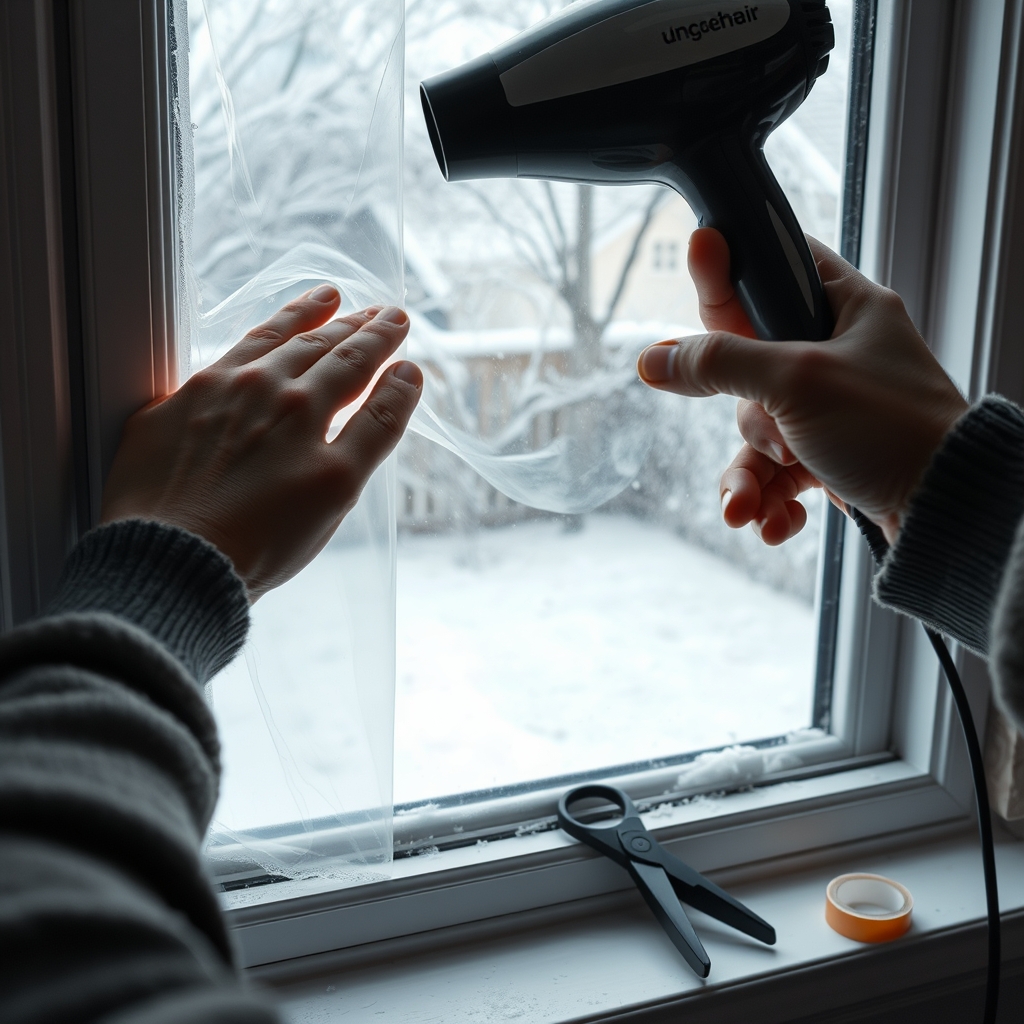
When you add up the square footage, windows become the single largest point of leaking warmth in most homes. That’s why quick-fix solutions such as a modern window insulation kit for winter, using indoor window insulation film, can make a noticeable difference within days—sometimes within hours—of installation.

Window Insulation Kits for Winter: What We Know (and Don’t) About Their Effectiveness
While there is hard data on how much heat windows lose, there’s a surprising lack of reliable, third-party research specifically measuring the effectiveness of Draft proof window insulation kit or a typical window weather sealing kit.
Most available statistics focus on permanent window upgrades, like double-glazed or triple-glazed units, not temporary DIY kits. That means while it’s clear your windows are leaking heat, how much benefit you’ll see from any one kit is less proven, and results can depend on your windows, installation care, and climate.
For contrast, permanent upgrades such as double-glazed units dramatically outclass temporary solutions, but they come with a steep upfront cost and major installation effort. Kits exist to bridge that gap for renters or anyone not ready for a full window replacement.
What’s proven is:
- Stopping drafts (air leakage) matters as much as adding R-value; even simple weather-sealing film that reduces air movement can make your home feel noticeably warmer.
- Most heat loss statistics, like those noted above, refer to homes with uninsulated and poorly sealed windows; adding any barrier almost always helps in older homes.
- The main “data” available for kits is anecdotal: user reviews, DIYers sharing before-and-after energy bills, or comfort improvements reported in online forums.
Types of Window Weather Sealing Kits: Quick Comparison
Window insulation solutions aren’t all created equal. Here’s what you’ll typically find in stores or online, and how the most common types compare:
| Type | Common Use | Typical Method | Main Strength | Main Weakness |
|---|---|---|---|---|
| Indoor Window Insulation Film | All-season, interior windows | double-sided sticky tape and shrink film using hair dryer | Easy install, affordable, effective air/draft barrier | Single-use, possible condensation, tape residue |
| Draft Proof Window Insulation Kit | Gaps, movable sashes, sliding windows | Weather seals, foam strips, window snakes | Blocks air leaks, reusable in some cases | Doesn’t add R-value; can be visible |
| Window Seal Kit for Air Conditioner | Around portable AC vent hoses | Special sealing fabric with zipper/Velcro/adhesive | Reduces drafts with AC units installed | AC must stay installed; not for every window type |
Single-pane windows (the weakest performers) have an R-value of only about R1 (source), which means any layer—even thin film—can slow down freezing drafts substantially. But keep in mind: only multi-pane permanent solutions markedly boost true R-value.
What Does (and Doesn’t) Come in the Box? Common User Pain Points
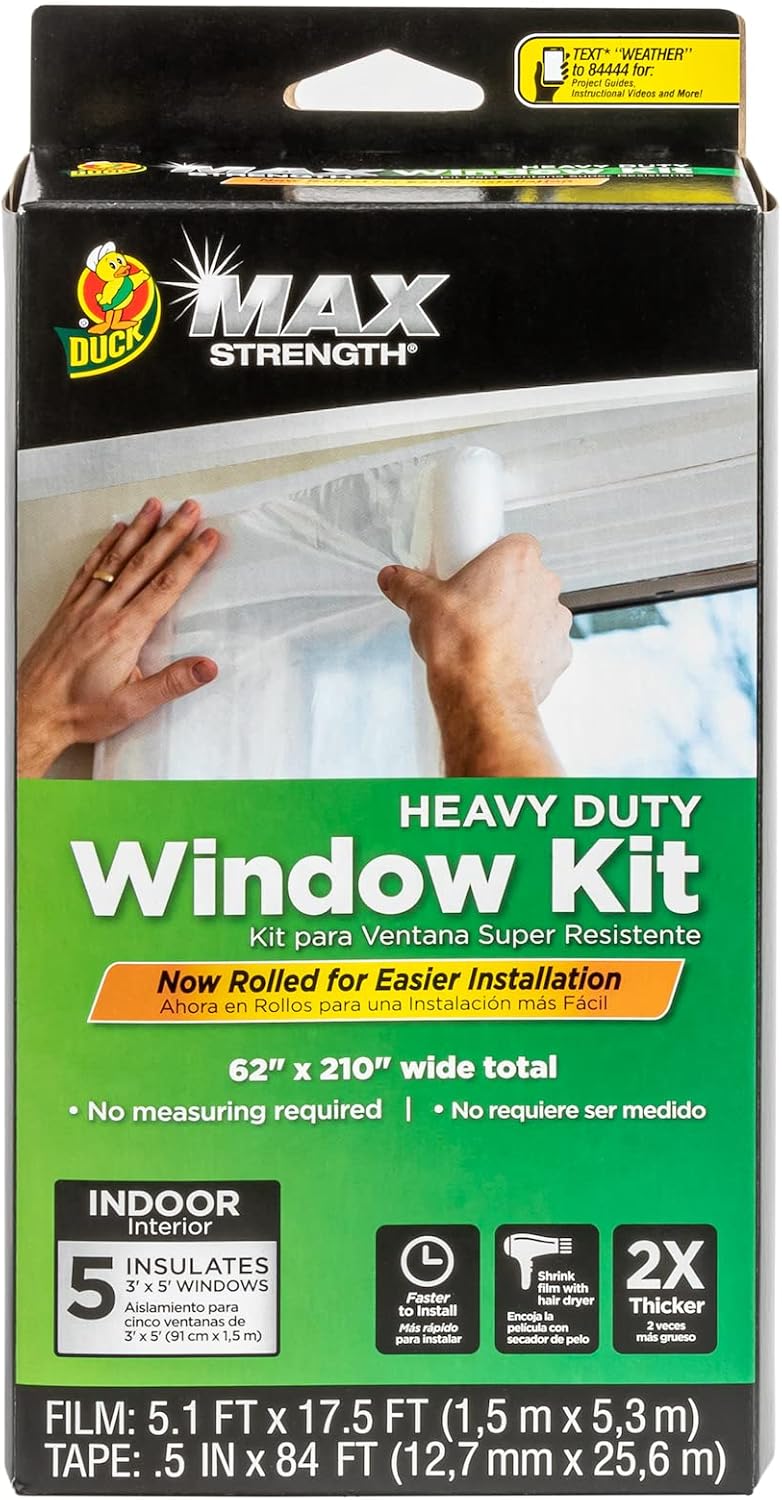
Most window insulation kit for winter packages include shrink film or plastic sheeting, double-sided sticky tape, basic instructions, and sometimes a utility tool. Draft proof kits may have foam or rubber strips and simple seals.
But actual user experience can vary. While manufacturer claims are reliable on basics, pain points show up in real-world use:
- Tricky installation: Getting film tight and clear can be frustrating, especially on large or uneven windows.
- Condensation build-up: Kits can trap moisture, especially in humid climates or bathrooms, leading to fogged windows or potential mold.
- Sticky residue: After removal, some users find tape marks that need solvent or elbow grease to clean.
- Kit contents may fall short: Occasionally, included tape or film isn’t enough for all your windows, or the included tools aren’t sturdy.
Despite these issues, thorough expert data on the frequency and severity of these complaints is missing. As explicitly noted in recent research, “The search results do not include information about user-reported complaints or issues”—so treat glowing reviews with caution and prepare for a learning curve if it’s your first time.
Cost Breakdown: Insulation Kits vs. AC Window Seal Kits vs. Permanent Solutions
Window insulation kits for winter are generally marketed as budget-friendly solutions. A typical kit covers multiple standard windows for the cost of a family pizza night. Window seal kit for air conditioner products cost a bit more due to specialty materials but are still far below what you’d pay for window replacement.
However, as of 2024, no current data gives an exact breakdown of typical kit prices, installation costs, or national averages for premium upgrades. The only concrete figures in the research highlight how much more expensive—but effective—permanent solutions are over time.
| Solution Type | Approximate Cost (2024 data unavailable) | Lifespan | Energy Saving Potential |
|---|---|---|---|
| Window Insulation Kit | Low (DIY kit, usually under $50) | One season (single-use film) | Moderate, may reduce drafts by 10–20% |
| Window Seal Kit for Air Conditioner | Low–medium | Reusable, seasonal | Stops AC-specific air leaks |
| Double/Triple-Glazed Windows | High (hundreds to thousands per window) | 20+ years | High, slashes window heat loss and drafts |
If you want cost precision, you’ll need to contact local suppliers or installers for current kit and window replacement prices. For renters or short-term needs, stick-on solutions make sense. For forever homes with ongoing energy bills, a deeper investment in permanent solutions is smart.
If you’re upgrading more than just your windows, consider pairing this project with smart home upgrades like a programmable smart thermostat for even bigger savings.
What Competitors Aren’t Telling You: Overlooked Factors in Choosing a Window Weather Sealing Kit
Most online advice on window weather sealing kits reads like enthusiastic product listings. But careful review of available research reveals several critical user concerns that are rarely discussed, yet hugely important for a smart buying decision.
1. Long-Term Durability
No credible sources compare the longevity or resilience of different indoor window insulation film brands. Some films yellow or crack with sun exposure, and some foams degrade after a single season. There are no published studies or widespread reviews of how well these products last under real-world conditions.
2. Reusability and Seasonal Replacement
Is your kit reusable, or will you be back at the store every autumn? The research states plainly, “The search results do not provide information about durability, maintenance requirements, reusability, or seasonal replacement needs.” Assume most film kits need full replacement yearly, while weatherstripping products may last longer with care.
3. Technical Specs: What’s Inside?
Thickness, material safety, R-value improvement, environmental impact—these specs are either missing or are manufacturer-only claims. Until labs provide comparative tests, it’s buyer beware. If you’re sensitive to chemicals or worried about VOCs, ask the seller for a datasheet before you install new film in bedrooms or nurseries.
For more smart home efficiency upgrades that truly last, review options like a heated blanket energy saving guide or energy-efficient lighting in your kitchen—often more reliable and permanent than tape-on films.
When to Upgrade: Permanent Solutions Versus Temporary Kits
Window insulation kits for winter are best for renters, budget-conscious homeowners, or anyone needing a fast, seasonal fix. For maximum year-round comfort and energy savings, however, permanent solutions deliver the biggest return. As referenced in all major reviews and government research, “Permanent solutions such as double-glazed and triple-glazed windows offer substantial benefits.” (source)
If you’re noticing chronic condensation, drafts even after using multiple kits, or windows that are warped/rotting, it may be time to get quotes for double glazing or professional secondary glazing. It’s a major investment, but one with decades-long benefits in comfort, value, and utility costs.
For even more winter comfort ideas, see our guide on cozy heated blanket throws or browse tips to block under-door drafts with a door draft stopper.
Conclusion
If you want to cut rising heating costs, installing a window insulation kit for winter is a fast DIY win—especially for older, drafty or single-pane windows. Just go in with clear expectations: there’s limited proven research on their effectiveness, most are single-season solutions, and you’ll likely need to handle some common headaches like condensation or sticky residue. Permanent glazing is the gold standard, but temporary kits can make your home feel warmer right now for far less money.
Ready to upgrade your comfort? Choose the right kit for your window type, review what’s in the box, and set aside an afternoon. For smart savings, pair window insulation kits with other DIY energy tricks like a smart thermostat or heated blanket. Don’t let heat slip away when better comfort is this close—start sealing those windows today!
Frequently Asked Questions
How effective are window insulation kits for winter at reducing drafts?
Most kits can reduce noticeable cold drafts and make rooms feel warmer, but the exact energy savings vary. There’s little third-party testing—results mainly rely on careful installation and matching the kit to your window type.
Can you reuse indoor window insulation film kits?
Most shrink-film kits are single-use and need replacing each year. Draft-proof seal kits may be reusable if carefully removed and stored, but longevity data is not published by most brands.
Are there any health or safety concerns with these films?
If installed properly, most are safe for household use. Some films may emit VOCs or odor initially, so ventilate well during installation, especially in small or enclosed rooms.
What’s better for AC leaks—a standard insulation kit or a window seal kit for air conditioners?
For AC vented windows, specialized window seal kits for air conditioners generally provide a better fit and block drafts more effectively around hose cutouts than generic film kits.
Will using a window insulation kit increase condensation on my windows?
It can, especially if your home’s humidity is high or the kit traps moisture. Make sure windows and sills are dry before installing, and ventilate occasionally to reduce condensation risk.

—