

GPS dog collar 2026 solutions are reshaping how pet owners keep dogs safe, healthy, and easily located. As GPS tracking collars become smarter and more widely adopted, understanding their market, what really sets them apart, and common real-world issues is crucial for buyers in 2026.
Key Takeaways
- Smart GPS dog collar use is booming in 2026, with major advances in health tracking, battery life, and miniaturization.
- Most common issues remain battery performance, GPS accuracy, and occasional struggles with waterproofing—real user complaints highlight practical limits.
- Choosing the right GPS collar means balancing credentials: basic models excel at tracking, while premium options offer full health analysis and smart home connectivity.
- What Are GPS Dog Collars in 2026 and Why Use Them?
- How to Choose and Use a GPS Dog Collar in 2026: Step-by-Step Guide
- Advanced Analysis & Common Pitfalls of GPS Dog Collars in 2026
- Conclusion
- Frequently Asked Questions
What Are GPS Dog Collars in 2026 and Why Use Them?
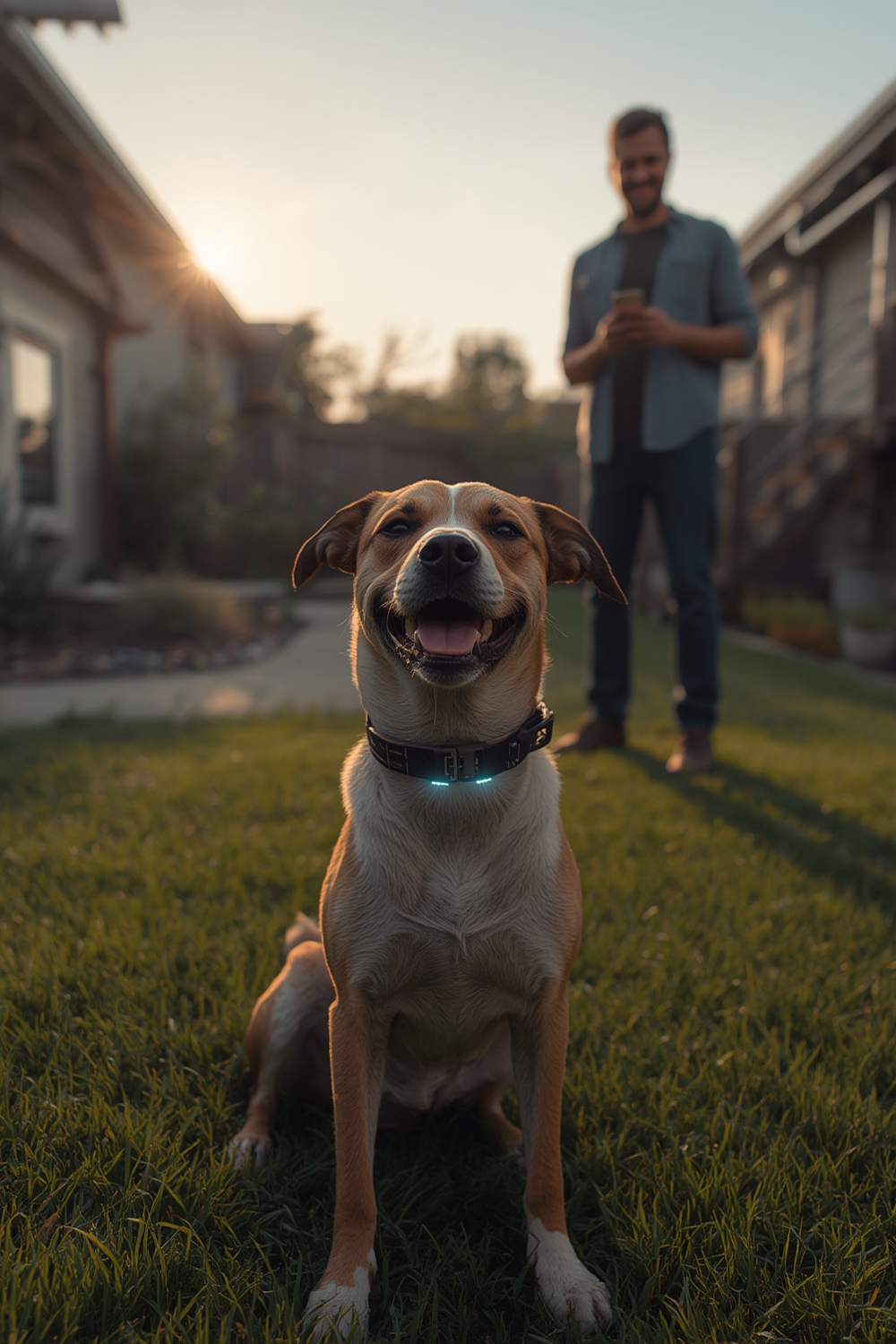
A GPS dog collar in 2026 is a wearable smart device that uses satellite-based positioning and app integration to help you track, monitor, and safeguard your dog in real time. They go well beyond lost-dog prevention: newer models include health sensors that monitor heart rate, activity, sleep, and calories, seamlessly syncing this data to your phone. In addition, geo-fencing and alerts keep dogs safe if they stray from fixed boundaries.
The market for these collars is experiencing record growth, valued at about USD 0.72 billion in 2026, and projected to reach 1.64 billion by 2035 at a steady 9.4% CAGR. Other sources report even higher numbers, with global sales already topping 20 million units and especially strong demand in North America and Europe. The post-pandemic surge in pet adoption and an increased focus on remote, real time pet monitoring are key drivers.
Unlike traditional collars or earlier radio-based models, modern GPS dog collars provide more reliable, app-controlled tracking—even in dense urban neighborhoods or remote environments. With increasing pet humanization, many owners also want health, activity monitoring, and lifestyle insights. This demand fuels intense competition, leading to rapid innovation and better features every year. For ideas on leveraging tech for pet care or convenience, check our proven guides on robot vacuums for pet hair and WiFi smart pet feeders.
How to Choose and Use a GPS Dog Collar in 2026: Step-by-Step Guide
To get the most value from your GPS dog collar, follow these steps for research, setup, and usage:
- Assess Your Dog’s Needs
Consider your dog’s size, activity level, and typical environment. For big outdoor dogs, prioritize durability and range. For small or indoor breeds, lighter, more comfortable collars work best. - Research the Latest Models and Features
Entry-level GPS collars provide basic location tracking and geofencing. Mid-range versions usually add health and health tracking. Top-line models now come with integrated vital sign sensors, advanced analytics, and even smart home compatibility (integration with voice assistants or automated routines). Learn more about building a connected home with our Smart Home Devices Guide. - Check App Support and Usability
Great hardware needs a responsive, reliable app. Look for collars with frequent app updates, clear interfaces, and strong privacy policies. Robust customer support and easy setup are a must. - Evaluate Battery Life and Charging Options
Despite advancements, battery limitations remain the #1 user frustration. Some models offer rapid charging or replaceable batteries, a real asset if you’re active or away from home often. - Review Waterproofing and Durability
True waterproof ratings (not just splash resistance) matter for dogs that swim or brave the elements. While independent data is rare, manufacturer claims and user reviews indicate improvements in materials. - Set Up and Test Your New Collar
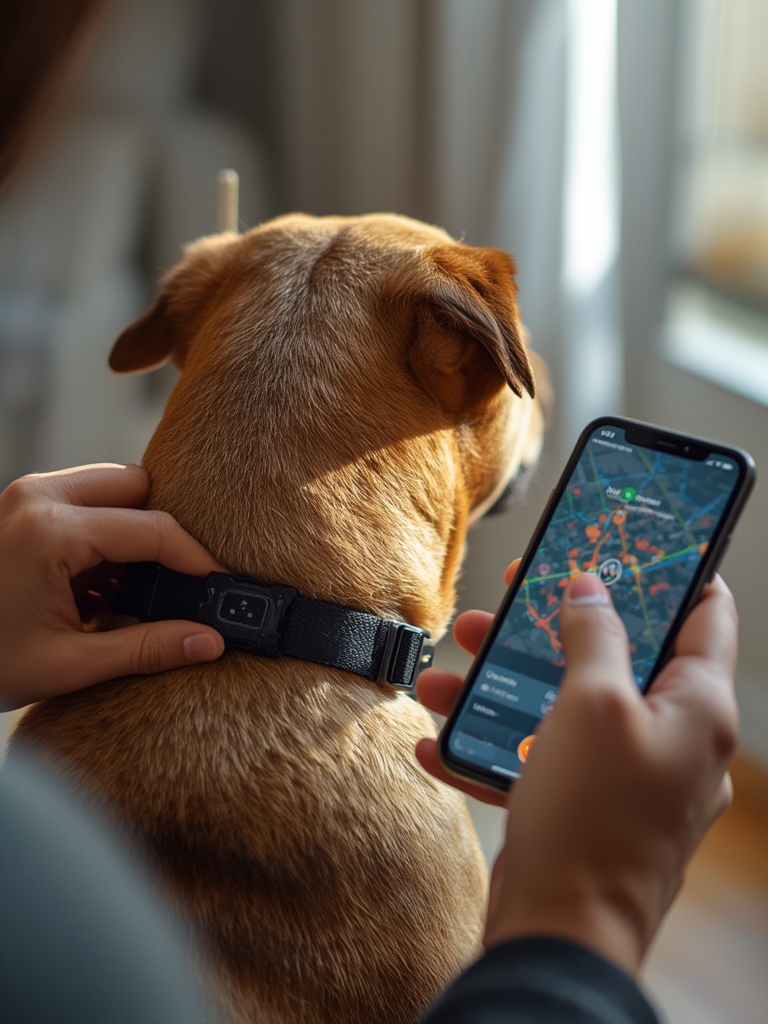
Before relying on the collar in the wild, fully charge the unit, install the app, and test geofencing in a safe area. Trigger alerts and location updates to confirm everything works as advertised. - Track, Monitor, and Adjust
Regularly check the app for battery status, GPS signals, and software updates. Adjust settings, and review activity and health data to get the most from your investment.
For added pet comfort during outdoor summer adventures, combine your GPS collar strategy with a dog cooling mat or a summer hydration routine.
Advanced Analysis & Common Pitfalls of GPS Dog Collars in 2026
GPS dog collars have evolved—yet certain core problems remain for real-world users:
- Battery Life: Market surveys consistently name battery performance as the top complaint. While new models deliver longer runtimes and tricks like sleep scheduling, heavy use of real time GPS especially in dense urban locations dramatically cuts the advertised lifespan. Some users still report batteries dying mid-adventure.
- Signal Accuracy and Update Speed: Dense buildings, forests, or remote valleys impact GPS performance. Though GPS-based collars are more accurate compared to radio systems, lost or delayed updates can still happen. Top brands (Garmin, Whistle, Tractive) compete here, but no widely published technical benchmarks exist as of 2026.
See industry market analysis for leader overviews. - Waterproofing and Durability: Dog owners want proof, not promises. Unfortunately, no independent, standardized waterproof tests or durability benchmarks are available. Manufacturers tout rugged, lightweight builds, but real users should review long-term user feedback whenever possible.
- App Reliability and Privacy: Collars are only as good as the connected app—some lag, offer poor UX, or experience server downtime. Data privacy compliance is improving but remains a soft spot for many providers. Scrutinize privacy policies before connecting your pet data to the cloud.
- Feature Creep vs. Simplicity: More features aren’t always better. Some users find advanced dashboards and constant notifications overwhelming. Sometimes, a simple tracking collar with clear alerts is the best fit.
| Feature Level | Main Features | Typical Price Range (2026)* | Best For |
|---|---|---|---|
| Entry-Level | Basic GPS tracking, geofencing | $— (Lowest pricing, dropping as tech matures) | Lost pet recovery, simple alerting |
| Mid-Range | Activity monitoring, app integration | $$ | Active dogs, progress tracking |
| Premium | Health sensors (heart, sleep, calories), long battery, smart home compatibility | $$$ | Tech enthusiasts, health-conscious owners, smart home users |
*2026 prices vary—recent market reporting shows declining hardware cost trends as unit sales increase, but specifics remain unpublished.
Sources: BusinessResearchInsights, MarketReportAnalytics
If you’re also considering other smart home solutions for comfort and safety, see these practical tip guides on energy-saving heated blankets and air quality monitoring.

Conclusion
GPS dog collar 2026 technology is smarter, more affordable, and more powerful than ever—but no device is perfect. When choosing a GPS collar, balance feature sets with battery, app, and durability priorities. Test thoroughly, stay vigilant to software updates, and always keep your dog’s real needs front and center. Embrace these modern solutions to boost your pet’s safety, health tracking, and your peace of mind. Ready to upgrade? Start exploring the right GPS dog collar for your best friend today.
Frequently Asked Questions
How accurate are GPS dog collars in 2026?
Modern GPS dog collars are typically accurate to within 1-5 meters outdoors, depending on satellite availability and environmental conditions. While much improved over radio-based systems, thick forests or dense urban areas can slightly reduce this accuracy.
How long does the battery last on a GPS dog collar?
Battery life in 2026 varies by model and use pattern. Basic tracking-only collars can last several days on a charge, while advanced units with health monitoring and fast GPS updates may require charging every 1-3 days depending on settings.
Are waterproof GPS dog collars really reliable for swimming?
Manufacturers claim true waterproofing, and most collars tolerate rain and splashing. However, independent submersion test data is lacking, so if your dog swims often, check user reviews and test the collar in controlled conditions before trusting it fully.
What features set premium GPS collars apart from cheaper options?
Premium models add health and activity sensors, longer battery life, full app analytics, and smart home or vet data integration. Entry-level options focus mainly on tracking and basic geofencing.
Are these collars suitable for very small dogs?
Thanks to miniaturization, most 2026 GPS dog collars can fit smaller breeds, but always confirm the weight and adjustability with your vendor to ensure comfort and safety.