

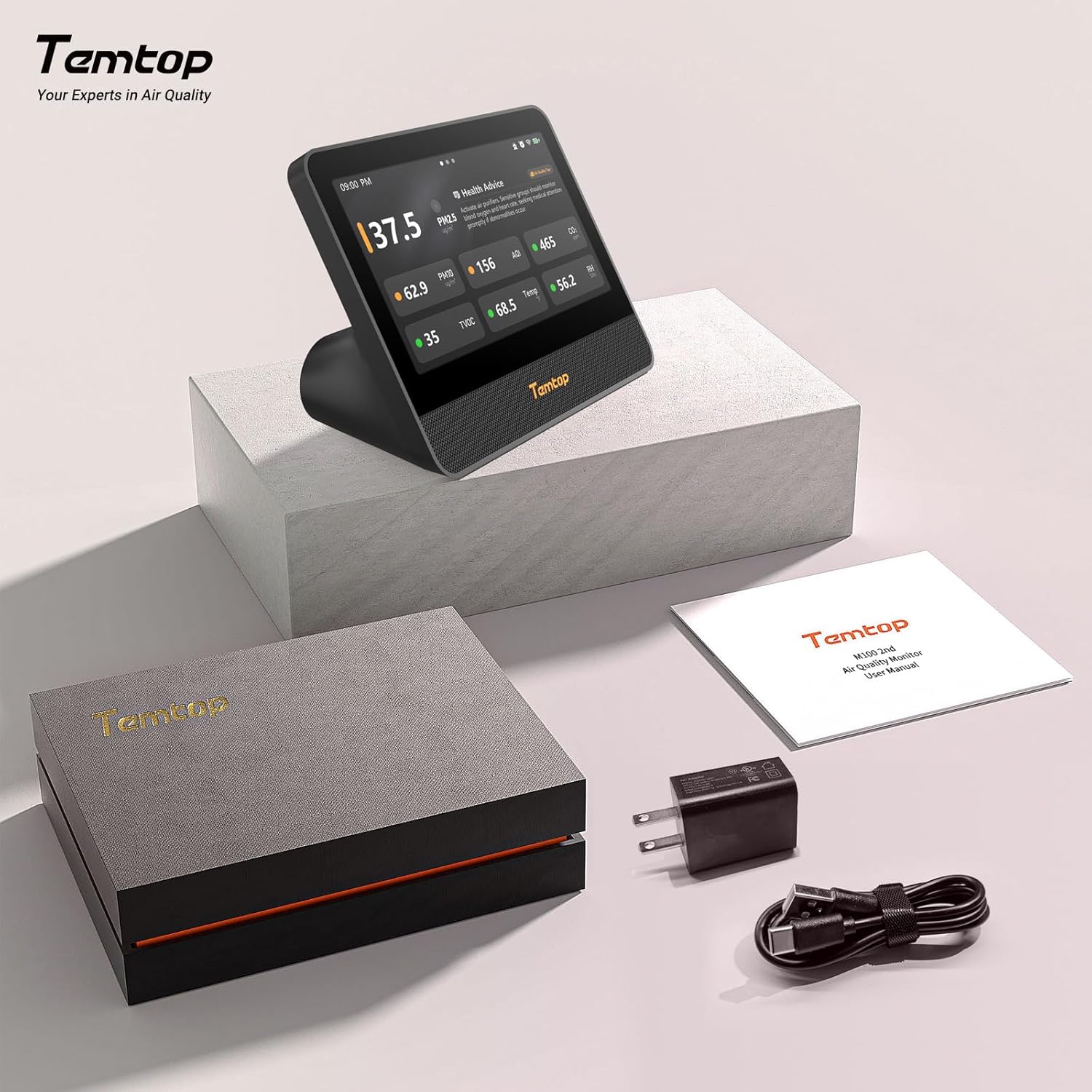
Smart indoor air quality monitor adoption is booming as homeowners face more frequent air quality issues indoors than ever before. With harmful pollutants on the rise and technology evolving quickly, knowing how these monitors work—and their limitations—can make a direct impact on your health and your home’s safety.
Key Takeaways
- Indoor air is often 2–5 times more polluted than outdoor air, and smart indoor air quality monitors provide real‑time data to help you respond quickly.
- Choosing and using a smart IAQ monitor involves more than just buying—the sensor type, accuracy limits, and app/data features have a major impact on value.
- Common pitfalls include sensor drift, app connectivity issues, and hidden data export subscription fees; knowing what to expect lets you avoid buyer’s remorse.
- What Is a Smart Indoor Air Quality Monitor & Why Does It Matter?
- How to Choose, Install, and Maximize a Smart IAQ Monitor
- Advanced Analysis: Common Pitfalls, Limitations & Data Quality
- Conclusion
- Frequently Asked Questions (FAQ)
What Is a Smart Indoor Air Quality Monitor & Why Does It Matter?
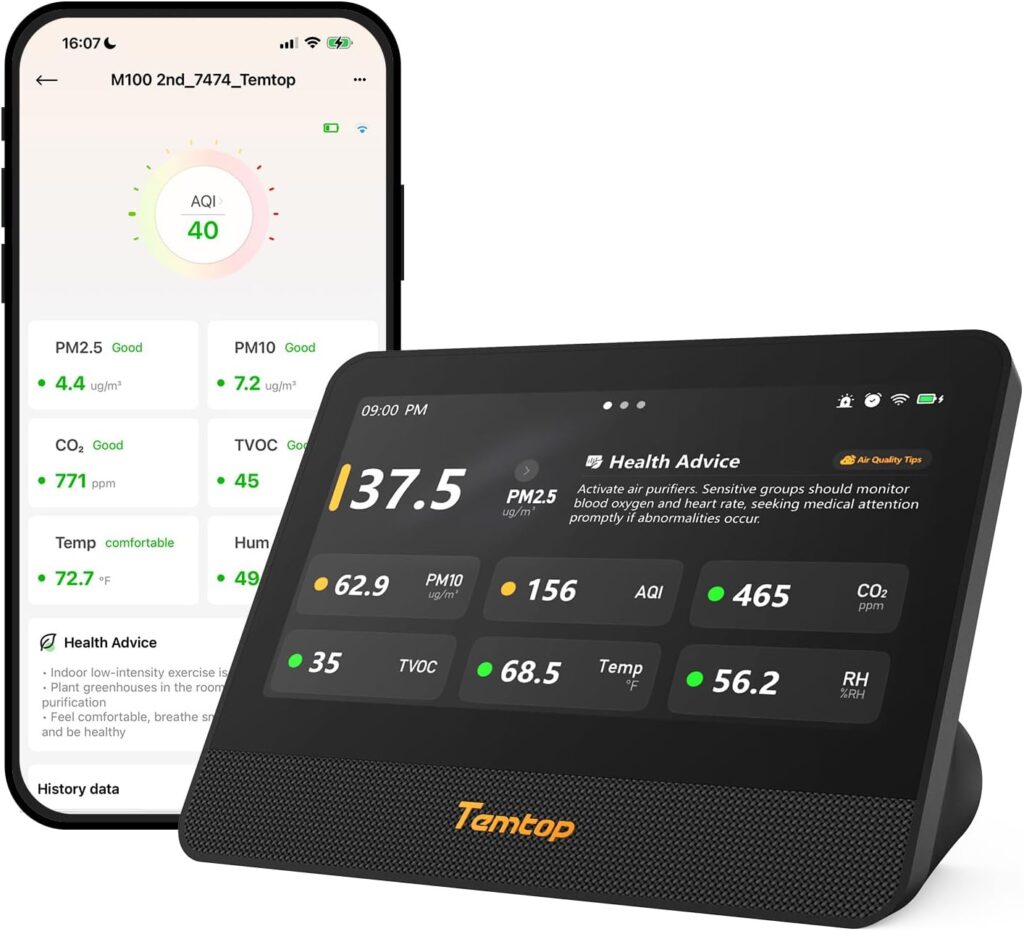
A smart indoor air quality monitor is a connected device that measures key air pollutants—like particulate matter (PM2.5), carbon dioxide (CO2), volatile organic compounds (VOCs), sometimes radon, and more—while providing real‑time readings, app notifications, and integration with smart home systems. With Americans spending about 90% of their time indoors, and with pollutant concentrations typically 2–5 times higher inside, monitoring indoor air quality isn’t just a nice‑to‑have—it’s essential for health and comfort. Recent studies show indoor PM2.5 rose more than 17% in North America from 2022 to 2023, with families spending an average of over 1,200 hours a year above the World Health Organization’s safe threshold. [Source]
How to Choose, Install, and Maximize a Smart IAQ Monitor
Getting real value from a smart indoor air quality monitor means more than plugging it in. Follow these steps to choose the right device and use it like a pro:
- Decide What You Need to Monitor
- For families or sensitive individuals, look for PM2.5, CO2, and VOC as a baseline. If you live in a basement or radon detection can be crucial (see EPA IAQ info).
- Some low-cost units only provide a “TVOC” index, lacking specificity. Higher‑end units break down pollutants and offer more precise CO2.
- Choose a Device With Transparent Specs
- Avoid devices that don’t clearly state sensor types, accuracy, export capability, or any ongoing costs. Look for NDIR (not “eCO2”) for CO2, and for free data export if trending and analysis are important to you.
- Mind the Connectivity
- Wi-Fi 2.4 GHz is the norm, but some models add Bluetooth or Thread/Matter for better local control.
- If you run a divided smart home with both Android and Apple, check that your device supports HomeKit, Alexa, or Google Home and offers automations (not just live readings).
- Install and Place for Best Accuracy
- Install at breathing height, away from HVAC vents, direct sunlight, and kitchen steams. Avoid placing right next to electronics or in dead corners; air flow matters.
- Let the device run for at least 24–48 hours before interpreting results—most sensors need time to stabilize after initial power-on.
- Monitor, Receive Alerts, and Automate
- Customize your app’s alert thresholds to match your region (WHO or EPA), or risk constant, anxiety-inducing pings. Set up automations so a purifier or HVAC turns on when PM2.5 spikes—not just push notifications.
- Check, Clean, and Replace as Needed
- Clean sensor air inlets every few months and be aware some sensors (notably PM2.5 and VOC) will drift after 2–5 years—expect to replace or recalibrate.
- Keep batteries fresh on portable models, and don’t ignore persistent “bad air” warnings; occasionally back up data if the app offers export.
- Start With a Single Room, Then Expand
- If cost is a concern, start monitoring bedrooms or the primary living area, then add units for kitchens, nurseries, or basements as budget allows.
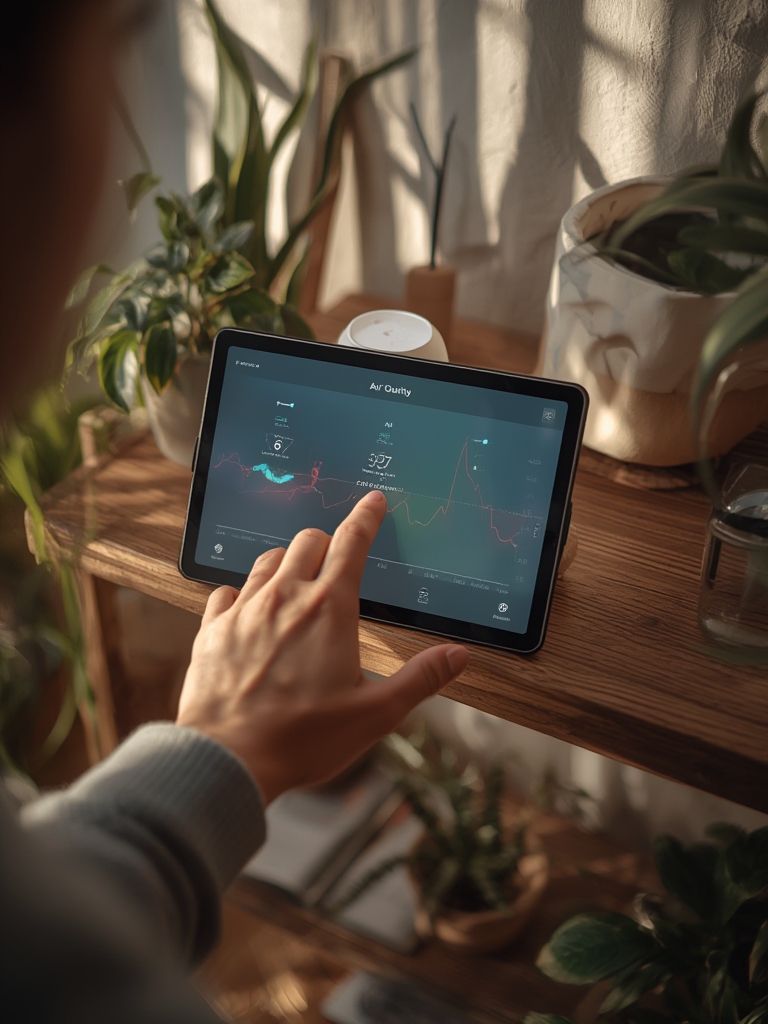
Want to tie your IAQ monitoring into wider smart home routines? Check our Smart Home Devices: The Ultimate Guide to a Smarter Home 2026 for automation ideas, or see how IAQ works hand-in-hand with cleaning robots in our Robot Vacuum Mop Combo Buying Guide.
Power resilience is also smart to consider: houses with backup power are better able to keep IAQ devices running during outages. See how to choose a home backup power station for uninterrupted monitoring.
Advanced Analysis: Common Pitfalls, Limitations & Data Quality
While smart IAQ monitors offer great new abilities, users consistently run into the same issues—many of which aren’t obvious from spec sheets or marketing claims. Here’s what to watch for, including a realistic evaluation of sensor categories:
| Parameter | Sensor Type | Typical Accuracy | Key Limitations/Pitfalls |
|---|---|---|---|
| PM2.5 | Optical/Laser | ±10–20 µg/m³ (lab) | Affected by humidity, particle type, dust. Frequent “bad air” false alarms. Sensor drifts with age. |
| VOCs | MOS/MOX | Qualitative (~30% rel.) | Cross‑sensitive to cleaning agents, alcohol. “TVOC” ≠ specific pollutant. Drift and false highs are common after cleaning/cooking. |
| CO2 | NDIR or “eCO2” (proxy) | ±50 ppm / proxy can be much worse | Many budget models display “eCO2”, not real CO2, leading to wild errors for occupancy. Long-term auto-cal may mis-calibrate in always-occupied rooms. |
| Radon | Alpha/semiconductor | ±10–20% (avg.) | Use for long-term trend. Short-term readings can jump around—concerns need averaging over days or weeks. |
| CO | Electrochemical | ±10 ppm | Smart monitors rarely replace required CO alarms. Sensor needs periodic calibration or replacement. |
| Temperature/Humidity | Digital (SHT/TI/others) | ±0.3–1.0 °C / ±2–5% RH | Usually fine for comfort, but may read high/low near appliances or in dead spots. |
- Common complaints from real users include Wi‑Fi dropouts, laggy apps, lost historical data after a cloud outage, and subscription gates blocking full data access. Many brands charge extra for CSV export or advanced analytics after the “honeymoon period.”
- Integration promises (e.g., Alexa, HomeKit) don’t always work reliably, or only provide read‑only info. Firmware updates can break automations without warning.
- Short sensor lifespan: expect 2–5 years for VOC/PM, then sensor drift or failure. Few consumer units offer recalibration—plan for eventual replacement.
- No recognized accuracy certification: Popular monitors carry CE/UL/EMC electrical safety marks, and may cite “third-party tested,” but no government agency (like the EPA) certifies consumer air quality accuracy. [EPA source]
Advanced users can increase device value by choosing brands with open APIs or local data export, tying IAQ triggers into smart home routines, and placing spare sensors in multiple locations for redundancy. For a practical, system-wide approach, consider pairing IAQ data with other smart home devices like smart thermostats, window/door sensors, or home automation hubs.

Conclusion
Smart indoor air quality monitors are now essential tools for healthier living—but only if you use them with a clear view of their strengths and limitations. As pollutants rise and consumer expectations shift, make your investment count by selecting features that fit your needs, validating sensor data, and planning for realistic costs and ongoing maintenance.
If you’re just getting started, remember: a smart IAQ monitor is a long-term health ally, not a magic bullet. Combine it with smart home automations and keep yourself informed to get the most benefit. Ready to take action on your indoor air? Start by reviewing top options, then expand monitoring zone by zone for truly connected, healthy living.
Frequently Asked Questions (FAQ)
How accurate are consumer smart indoor air quality monitors?
Most consumer monitors use affordable sensors that are accurate enough to show trends or flag major issues, but drift and environmental factors can lead to errors of 10–30% (or more for low-cost units). For legal or medical use, professional-grade reference instruments are still required.
Do I need to pay a monthly subscription for a smart IAQ monitor?
No, basic live readings and short-term data are usually included. However, data export, past data analysis, or advanced automations often require a subscription ($3–$10/month) depending on the brand.
What pollutants should I prioritize measuring at home?
Start with PM2.5, CO2 (true NDIR if possible), and VOCs. If you live in a radon-prone area or have vulnerable occupants, consider a monitor with radon. Basic temp/humidity are included in nearly all models.
Can a smart IAQ monitor control my air purifier or HVAC automatically?
Some models support integration with platforms like Alexa, Google Home, or SmartThings, allowing you to automate air purifiers or fans when readings spike. Verify integration options before you buy—many offer read-only data and limited control.
Is there a government-certified or “official” IAQ monitor I can buy?
No. While reputable monitors meet CE, UL, or EMC safety standards, accuracy is not government-regulated for consumer IAQ monitors. Look for brands that publish third-party testing and do not make unsupported claims.
—