

Self cleaning litter box technology is transforming pet care, making daily cleanup easier and improving home hygiene for cat owners. Smart designs now automate messy tasks, but knowing exactly how these devices work, what they cost, and what to expect is critical before switching your cat’s traditional box.
Key Takeaways
- Self cleaning litter boxes automatically remove waste, reducing manual scooping and helping control odors in multi-cat homes.
- Top models offer app integration, advanced odor management, and sensor-based cleaning, but reliability and total cost of ownership vary by brand.
- Many self cleaning litter boxes claim health benefits for cats, but peer-reviewed veterinary evidence is still limited.
- What Is a Self Cleaning Litter Box and Why Use One?
- How to Set Up and Use a Self Cleaning Litter Box (Step-by-Step)
- Advanced Analysis & Common Pitfalls
- Conclusion
- FAQ
What Is a Self Cleaning Litter Box and Why Use One?
A self cleaning litter box is an automated device designed to separate and remove solid and liquid waste from your cat’s litter with minimal human intervention. These boxes use mechanisms like rotating drums, rakes, or sifters to clean litter periodically after your cat uses it. Some advanced models include Wi-Fi, smartphone apps, and health monitoring sensors. The biggest draw is less daily scooping, fresher air, and reduced contact with waste — ideal for busy, health-conscious pet owners.
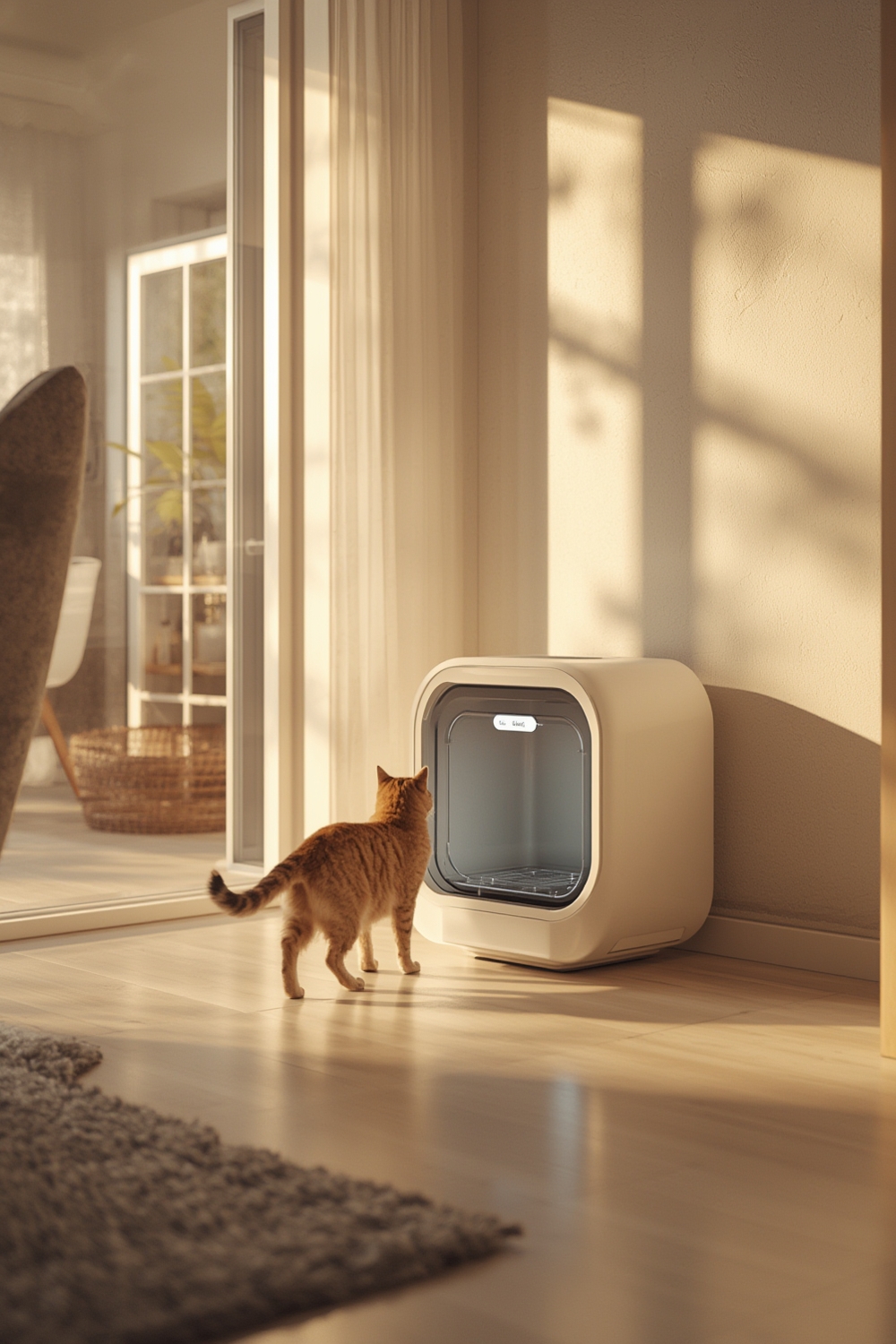
This technology is making waves, especially in North America and throughout fast-growing Asian markets, where convenience drives pet tech adoption. According to market analytics, the global self cleaning litter box market was valued at over USD 614 million in 2024, with innovations shaping features and price levels for all budgets.
Brands like Litter-Robot, PetSafe, and Whisker’s now offer models that prioritize health (with features to help avoid UTIs and cystitis), customizable odor control, and even compact modular designs for modern apartments. For a wider look at how cleaning robots are taking over homes, check out our best robot vacuum mop combo 2026 guide.
How to Set Up and Use a Self Cleaning Litter Box (Step-by-Step)
- Choose the Right Model:
- Assess the litter box size, weight, price, and key features. If you have multiple cats, pick a larger or multi-cat compatible version with robust odor control. The 5-9.9 lbs weight segment is the fastest growing due to better build quality and durability.
- If your home already uses smart home automation, consider Wi-Fi-enabled boxes for app alerts and remote monitoring (learn more about smart home device integration).
- Unbox and Assemble: Carefully follow the manufacturer’s instructions. For most models, snap components together, insert the waste drawer, and plug in the cord. Check all sensors are unobstructed and that the sifting/raking mechanism moves freely.
- Add Cat Litter: Many automated boxes require clumping clay litter or even proprietary brands. Fill to the recommended depth. Never overfill — this can jam the mechanism or prevent proper cleaning.
- Introduce Your Cat:
- Set up the new self cleaning litter box next to your cat’s old box for a few days.
- Sprinkle a bit of used litter into the new box to transfer familiar smells. Patience is key — some cats need a week or more to adapt.
- Plug In and Test:
- Connect the box to power (and Wi-Fi/app if supported). Run a cleaning cycle without the cat to check for smooth operation and no excess noise.
- Confirm app notifications and odor filter operation if available.
- Ongoing Cleaning: Empty the waste drawer as directed — every few days for one cat or daily for multiple cats. Wipe down sensors and rakes monthly.
- Maintenance Checks: Periodically inspect moving parts for stuck litter or buildup and replace deodorizer filters per the manufacturer’s schedule. This can directly impact odor levels and device reliability.
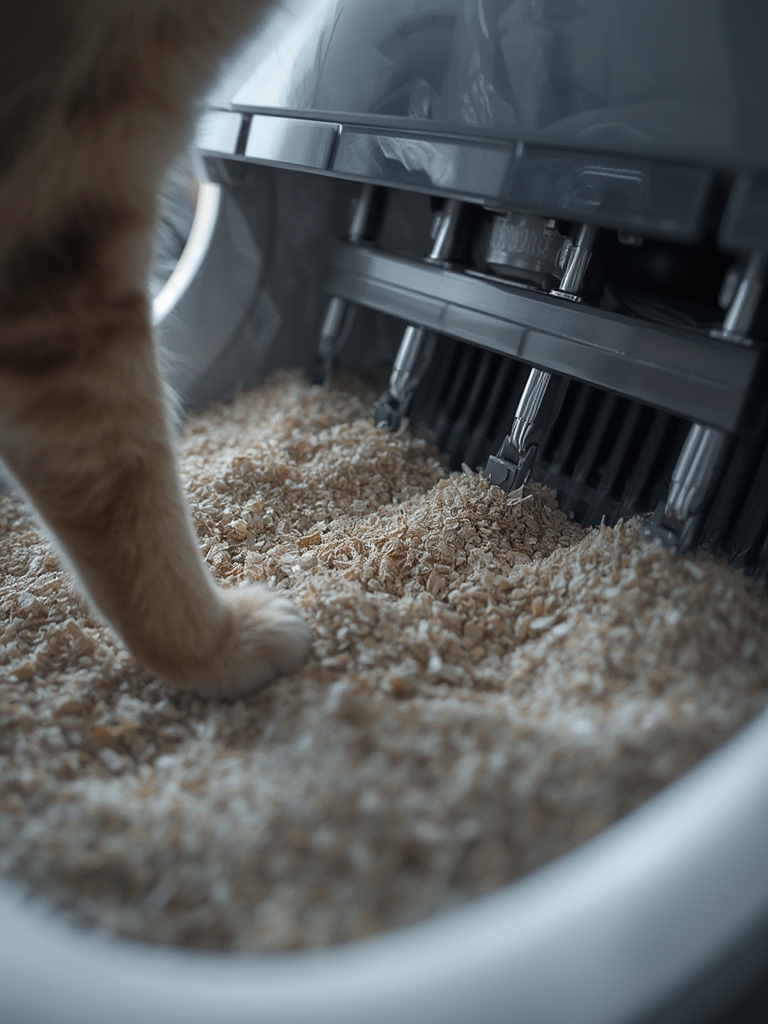
For a cleaner switch, prioritize models offering “quiet operation” and app notifications. Brands with QuietSift and advanced odor-control systems help keep noise and smells to a minimum—critical for studio apartments or sensitive pets.
If you use additional smart gadgets like LED strip lights for bedroom relaxation or portable power backup, consider power requirements and placement. Most boxes need a stable, dry outlet and should not share space with electronics sensitive to dust or moisture.
Advanced Analysis & Common Pitfalls
While self cleaning litter boxes make cat care easier, they are not perfect. Recognizing possible downsides and mistakes helps you avoid wasting time or money.
- Reliability Issues: Moving parts can fail or jam, especially on cheaper models. Maintenance is still required, and some users report breakdowns after 12-24 months. Warranty support varies by brand—research return rates and owner feedback before buying.
- Noise Levels: Some models are quieter than others, but even “quiet” designs may still disturb light sleepers or skittish cats. Test the cleaning cycle at home before committing fully.
- Litter and Supply Costs: Many self cleaning litter boxes require specific or proprietary litter types, with filters that need regular replacement. Ongoing expenses can add up—plan your budget accordingly.
- Behavioral Issues: Not all cats will adapt quickly. Some may avoid the box due to noise, vibration, or changes in litter scent. Older or anxious cats are especially sensitive.
- Health Claims: While brands promote benefits like UTI prevention, there is a lack of independent, peer-reviewed veterinary studies confirming these effects. Always consult your vet if your cat has a history of urinary or behavioral issues.
- Setup and Placement Mistakes: Placing the box near loud appliances, in high-traffic areas, or too close to food/water bowls may cause cat stress or box rejection.
| Feature | Self Cleaning Litter Box | Traditional Litter Box |
|---|---|---|
| Daily Manual Scooping | Rarely needed | Required |
| Odor Control | Usually advanced (filters, sealed waste) | Basic, highly variable |
| Initial Cost | High ($200–$700+) | Low ($10–$50) |
| Ongoing Costs | Medium–High (filters, branded litter) | Low |
| Suitability for Multiple Cats | Excellent (if rated for multi-cat) | Moderate |
| Noise | Can be noticeable (during cleaning) | Silent |
| Breakdown Risk | Possible (motors, sensors) | None |
| Health Monitoring | Available (select smart models) | Manual tracking only |
Before investing, also consider apartment space. Modular and compact self cleaning models are now available for smaller homes (learn how to maximize space with a foldable wall mounted desk).
Choose models with strong customer support, easy-to-find replacement parts, and high user satisfaction—these qualities provide long-term value far beyond technical specs.
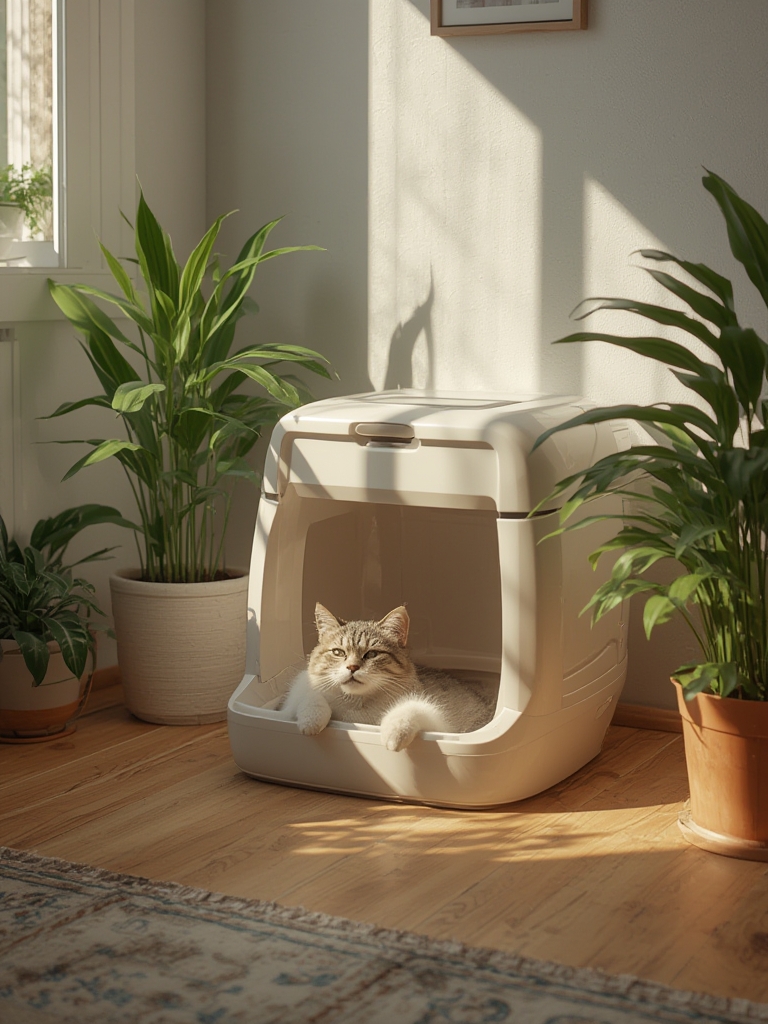
Finally, keep in mind that the majority of industry health and disease-prevention claims are based on product marketing, not peer-reviewed veterinary studies (see here). For cats with medical problems, always talk to your veterinarian before switching systems.
Conclusion
Self cleaning litter box technology delivers major convenience, odor control, and time savings for cat owners—especially in busy, multi-cat households. However, buyers should budget for higher initial costs, ongoing litter and filter expenses, and be aware of potential reliability and adaptation challenges. Prioritize reputable brands and take time during your cat’s transition.
Ready to make your home smarter and cleaner? Explore top-rated self cleaning litter box options and check out our guide to portable power stations for home backup or discover easy hygge upgrades with an electric heated blanket throw.
Upgrading to a self cleaning litter box can simplify life and support a fresher, more comfortable home for both you and your cat. If you’re serious about odor control and automation, start today with our actionable tips above.
Frequently Asked Questions
Can any litter be used in a self cleaning litter box?
No, most self cleaning litter boxes require clumping clay litter, and some need brand-specific proprietary litter for optimal performance and to prevent jamming.
Are self cleaning litter boxes noisy?
Some models are relatively quiet, especially those using QuietSift or similar technology, but all units make some noise during cleaning cycles. Place the box away from bedrooms if noise is a concern.
Do these boxes really prevent cat health issues?
Manufacturers claim that automated, frequent cleaning may help reduce risks of UTIs and other litter-related illnesses, but independent veterinary studies are limited. Monitor your cat’s health and consult your vet with any concerns.
What is the real cost of owning a self cleaning litter box?
Budget for the device itself ($200–$700), plus ongoing costs like deodorizing filters and proprietary litter ($10–$30 monthly). Long-term reliability and repair costs depend on the brand and frequency of use.
How long do self cleaning litter boxes last?
Most reputable models last 2–4 years with proper maintenance. Cheaper boxes may break down sooner, so always review product warranties and service options before buying.