

LED strip lights for bedroom have transformed how homeowners design cozy, multifunctional spaces, blending customizable mood lighting with smart controls for effortless ambiance.
Key Takeaways
- Smart and RGB-enabled LED strip lights are the fastest-growing segment for bedroom lighting in 2024, thanks to energy efficiency, IoT integration, and easy customization.
- Common downsides include setup complexity, potential smart home compatibility issues, and privacy risks, but careful planning can minimize these obstacles.
- Optimal results rely on choosing bedroom-specific strip specs, using thoughtful placements, and leveraging automation and app controls for mood-perfect lighting.
- The Core Concept: Why LED Strip Lights for Bedroom?
- Step-by-Step Guide: Installing & Customizing LED Strip Lights
- Advanced Analysis & Common Pitfalls
- Conclusion
- FAQ Section
The Core Concept: Why LED Strip Lights for Bedroom?
LED strip lights, especially RGB and smart-enabled options, are a modern solution for bedroom lighting due to their flexibility, energy efficiency, and ability to create a relaxing or vibrant mood on demand. Unlike old-school bulbs, LED strips can hide behind furniture, under beds, or along ceilings to produce accent lighting with nearly invisible installs. Growing consumer demand is driven by seamless smart home integration, low power use, and advances such as music sync and scheduling.
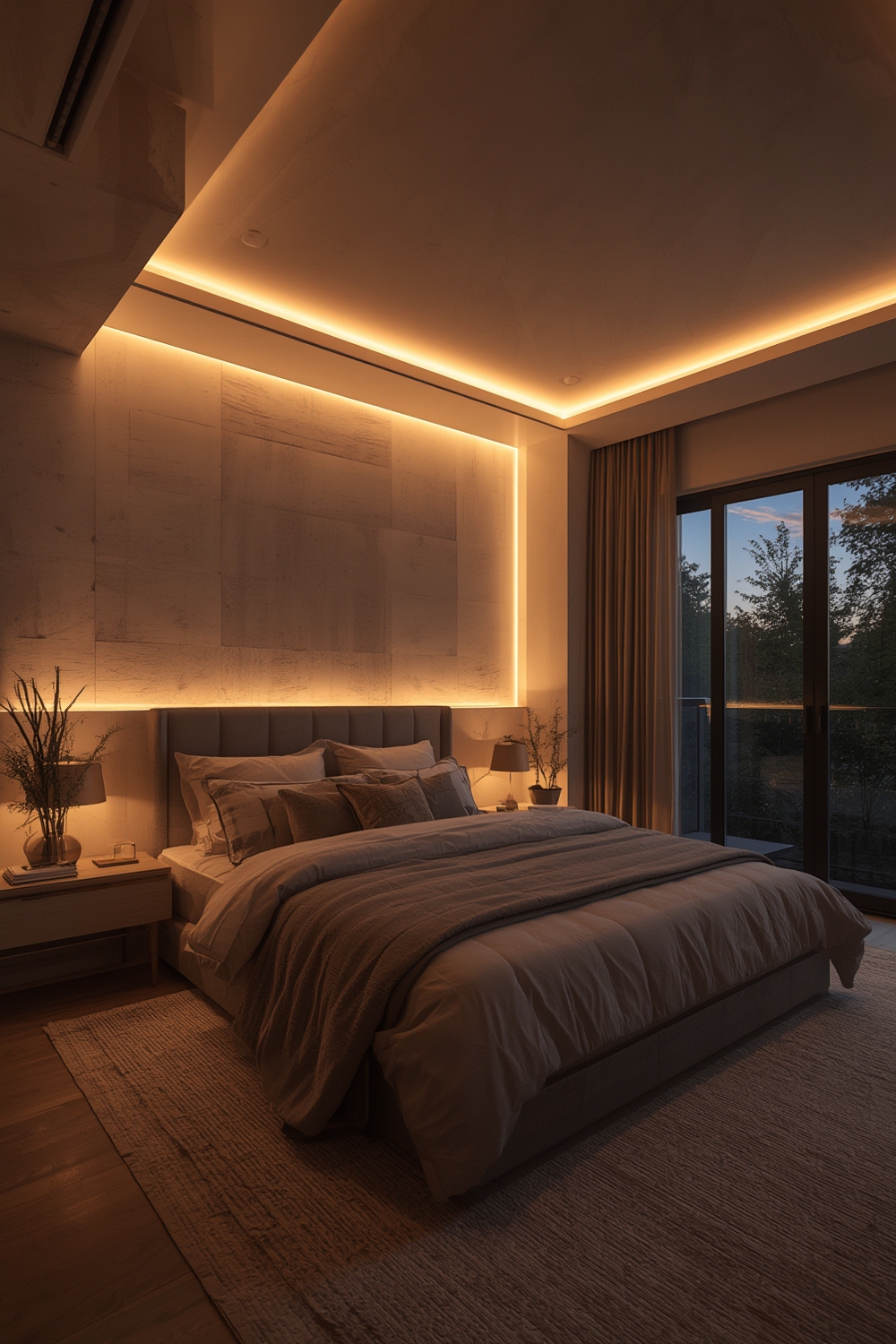
In 2024, the smart LED strip market for home use is growing rapidly, projected to reach $6.8 billion by 2032, with key players like Philips Hue and Govee selling millions of units annually. Bedroom-specific LED strips prioritize easy mounting, dimmable ambiance, and compatibility with smart home apps and voice assistants.
Compared to commercial-grade strips, bedroom models feature lower brightness, slimmer profiles, and more advanced control features. This lets you set calming warm tones for winding down, or energizing colors for mornings—all via your phone or smart speaker. Learn how to install and optimize them for your unique bedroom below.
Step-by-Step Guide: Installing & Customizing LED Strip Lights
Follow this actionable process to select, install, and automate LED strip lights in your bedroom.
-
Choose bedroom-optimized LED strip lights.
- Look for 3528 or low-power 5050 RGB strips for ambient light. Prioritize dimmable, color-tunable options with integrated WiFi or Bluetooth for bedroom comfort.
- Match the strip voltage (usually 12V or 24V) with a compatible power supply. Always check if the strips are “smart” (app/voice ready).
-
Plan and prep your surfaces.
- Clean the surface thoroughly. Dust or oils can cause adhesive to fail. For best results, install on clean, smooth, and dry surfaces.
- Map your pathway before sticking anything down, especially for coves or under furniture. Test placements with painter’s tape if unsure.
-
Mount the strips and install the power supply.
- Peel the adhesive backing slowly, pressing each section for 10-15 seconds to secure. If using aluminum channels, snap or slide the strips into place and install diffusers after wiring.
- Connect to the power supply and any necessary controller. Hide cords neatly with cable clips or behind trim.
-
Connect and configure the smart controller.
- Most systems now pair via a dedicated app (Philips Hue, TP-Link Tapo, Govee, etc.). Follow the app’s setup process—often this means connecting to WiFi, then discovering/control via Google Home, Alexa, or Apple HomeKit.
- Calibrate color temperature, set schedules, and test responsiveness to voice commands or triggers.
-
Automate for routines and mood.
- Use the app to program “wake up” routines with bright white light, or set dimming scenes for nighttime wind-down. Explore music sync or color-cycling modes for relaxation or parties.
-
Combine with other smart home devices.
- Integrate bedroom lighting with smart plugs, thermostats, or air quality monitors for full comfort automation. For inspiration on broader smart setups, check the Smart Home Devices: The Ultimate Guide to a Smarter Home 2026.
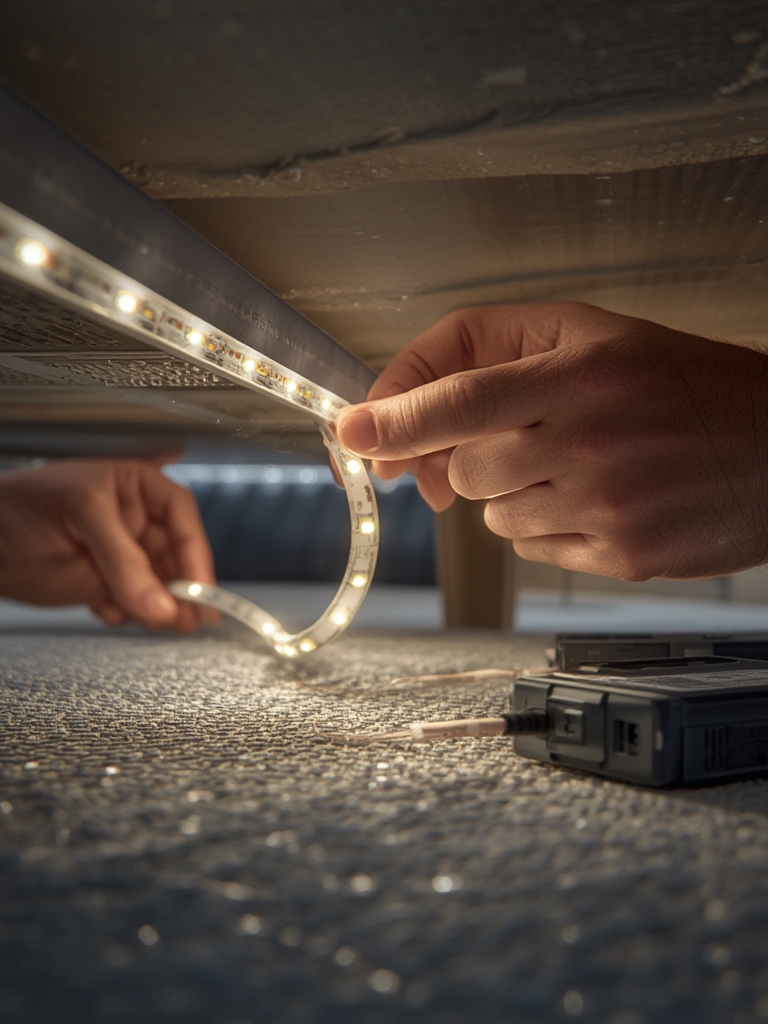
- For uninterrupted sleep, switch to warm white or amber at night—circadian-friendly lighting helps reduce blue light exposure and supports healthy sleep cycles.
- Take energy savings a step further by scheduling automatic shutoff. For more ways to reduce power bills, see our Electric Heated Blanket Throw: 7 Amazing Ways to Save Energy guide.
Advanced Analysis & Common Pitfalls
While LED strip lights for bedroom use are accessible and flexible, a few common issues can trip up even enthusiastic DIYers:
- Installation mistakes: Poor surface prep or forcing tight bends can damage strips or reduce adhesive life. Use flexible strips for corners, and reinforce heavy runs with mounting clips.
- Connectivity headaches: WiFi interference, incompatible routers, or poorly documented pairing steps often frustrate users. Research and ensure your brand supports the ecosystem (e.g., Apple, Alexa, Google) present in your home. If integrating multiple brands, check if they support Matter protocol for better cross-compatibility.
- Privacy and security: Smart strips collect data and may require account registration. Check privacy policies before connecting and disable cloud features you don’t need.
- Product lifespan and reliability: Cheaper strips may dim or fail within months, especially if run at high brightness (>80%) for long periods. Opt for reputable brands and stick to suggested max current per run.
- Not all LED strips are equal: Commercial 5050 models deliver intense brightness (great for under-cabinet task lights), but for bedrooms, prioritize 3528/COB designs for subtlety and efficient mood control. See the table for quick comparison:
| Feature | Bedroom LED Strips (e.g., 3528) | Commercial/General Use (e.g., 5050) |
|---|---|---|
| Brightness | Soft/dimmable (subtle ambience) | High (task/accent lighting) |
| Power Use | Lower (energy-saving) | Much higher |
| Size/Profile | Slim, flexible for tight installs | Wider, less flexible |
| Controls | Smart app, voice, scheduler focus | Standard or commercial automation |
| Heat Output | Minimal | Can be noticeable |
| Health Impact | Warm/circadian support possible | Often not circadian-friendly |
Another overlooked risk: blue light exposure at night. Prolonged use of cool white or blue-heavy RGB cycles can disrupt sleep. Switch to amber or soft warm modes after sundown, and consider strips that support “circadian rhythm” presets or automation. For insights on health at home, review our Smart Indoor Air Quality Monitor guide.
Pricing is also a common sticking point. While basic single-color kits run as low as $20, smart RGB kits for a medium bedroom (16–20 foot perimeter) often total $50–$150 with controller and power supply. DIY installs reduce labor costs, but complex cove or ceiling installs may need a pro—adding $100–$250 in some markets. Upfront investment is higher than old bulbs, but payoff comes through low energy use and customization. For budgeting other smart home upgrades, see our Portable Power Station for Home Backup resource.
Feature-wise, leading brands differ in ecosystem depth, control app quality, and extra perks:
| Brand | Main Features | Best For | Potential Drawbacks |
|---|---|---|---|
| Philips Hue | HomeKit, Alexa, Google support; top color accuracy, scheduling, zones | Apple users, high-end smart homes | Premium cost, less budget-friendly |
| TP-Link/Kasa | Broad smart compatibility, music sync, affordable | Budget buyers, Alexa/Google homes | Fewer deep automation features than Hue |
| Govee | Music/voice sync, AI lighting, creative scenes | Fun setups, renters, party rooms | App consistency varies |
| Xiaomi | Smart integration, value-driven | Emerging markets, DIYers | Fewer premium features |
| Osram Licht | Smart+ Flex: Alexa/Google, seamless home focus | Integration with other smart Osram products | Availability region-dependent |
Conclusion
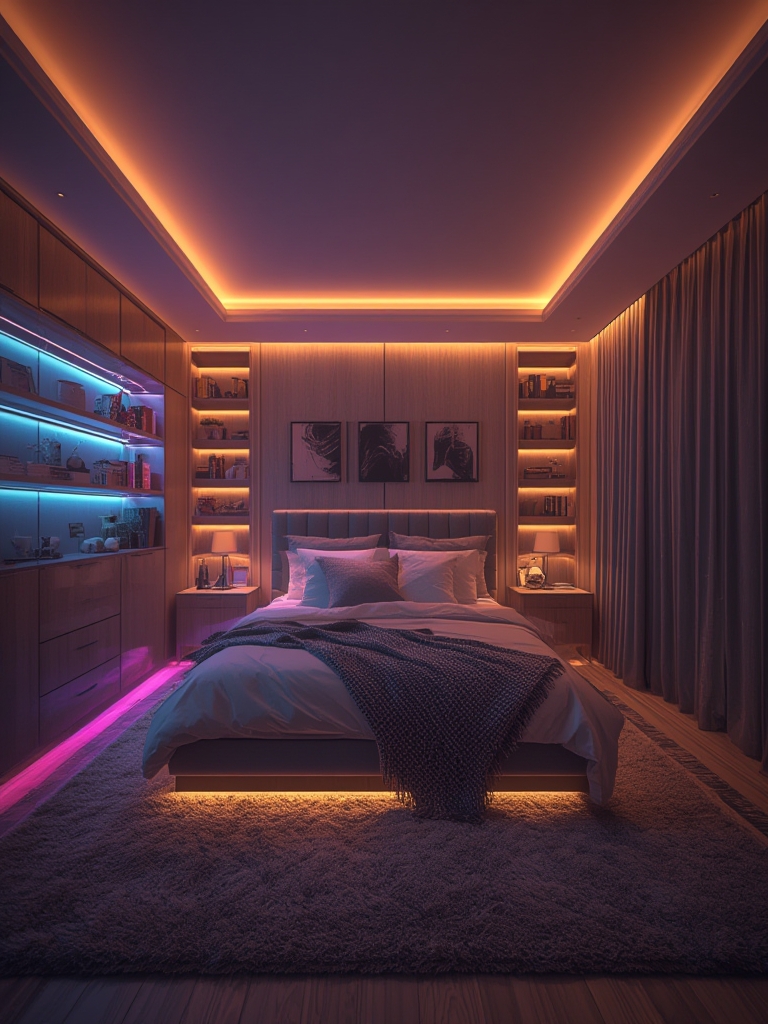
Smart LED strip lights for bedroom design give you flexible, energy-saving control over your sleep and leisure spaces. Choose strips that are optimized for subtle ambiance, plan the layout thoughtfully, and leverage automation features to create scenes that match your lifestyle. With awareness of installation pitfalls and privacy or compatibility issues, you can enjoy a modern bedroom that’s as functional as it is beautiful.
Ready to upgrade? Pick the right LED strip lights for bedroom use today, and experience smarter relaxation every night! Want to streamline your entire home? Read our comprehensive guide to a Smarter Home 2026 for ideas that go beyond lighting.
FAQ Section
What type of LED strip is best for bedrooms?
Opt for low-power, dimmable 3528 or COB LED strips with RGB or tunable white for subtle ambiance. Look for built-in smart features to control color and brightness easily in a bedroom setting.
Are smart LED strip lights compatible with all smart home systems?
No. Some brands only support certain platforms (e.g., Alexa but not Apple HomeKit). If you have multiple smart devices, check if the strip supports Matter or Zigbee for broader compatibility.
How much does a full bedroom smart LED strip setup cost in 2024?
Expect to pay $50–$150 for a full kit (strips, controller, power supply) for a 16–20 ft room perimeter. Professional installation adds $100–$250, but most setups can be DIY-ed using online guides.
Does blue light from LED strips affect my sleep?
It can. Exposure to bright blue/white LED lighting after dark may disrupt circadian rhythms. Use warm (amber or red) settings at night, or choose strips with circadian-friendly presets.
How can I integrate strip lights with other smart home gadgets?
Most major brands support voice commands and routines with Alexa, Google, or Apple HomeKit. For broader automation, look for models supporting the Matter standard to connect with other devices, or explore our guide to smart home devices for more integration ideas.