

### Blog Post:
Dog cooling mat for summer is one of the most searched solutions by pet owners trying to protect their pups during hot weather. Is it a must-have, or do these mats have real proven benefits? Let’s cut through the noise and show what actually works, what commonly goes wrong, and actionable strategies for choosing and maintaining the best dog cooling mat for summer for your needs.
Key Takeaways
- Dog cooling mats for summer vary widely in cooling tech, costs, and durability—no one-size-fits-all option exists.
- Scientific proof for body temperature reduction is lacking, so focus on dog preference, durability, and risk mitigation.
- Watch out for leaks, poor sizing, and quick wear—these will affect your dog’s safety and your wallet.
- What is a Dog Cooling Mat for Summer and Why Use One?
- How to Choose & Use a Dog Cooling Mat for Summer: Step-by-Step
- Advanced Analysis & Common Pitfalls
- Conclusion
- Frequently Asked Questions
What is a Dog Cooling Mat for Summer and Why Use One?
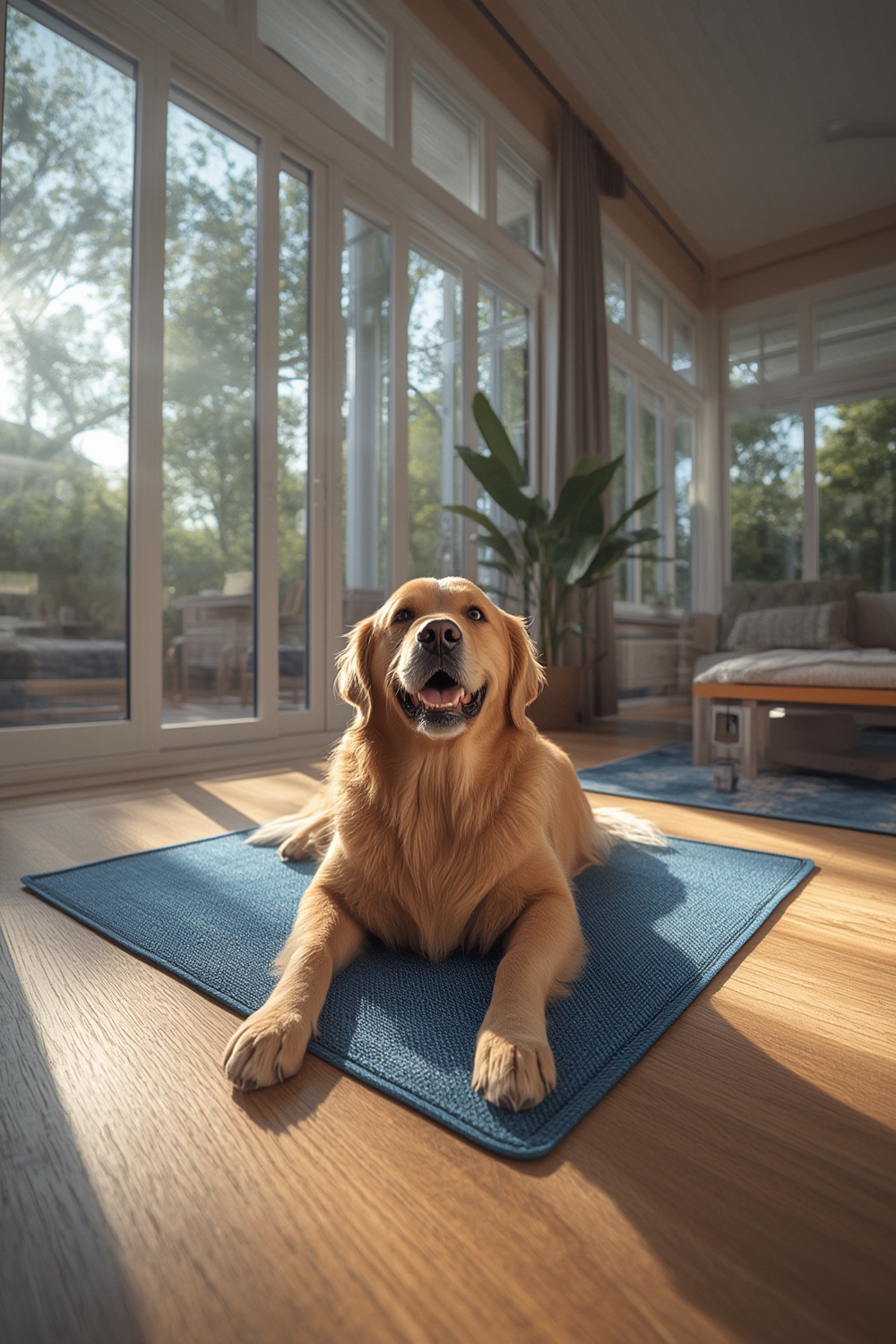
A dog cooling mat for summer is designed to offer a cool surface for your pet during heat waves or in hot rooms. These mats use various cooling technologies like gel, water, ice, or special fabrics meant to absorb and dissipate heat as your dog lays on them. Dog owners turn to cooling mats mainly for comfort and the hope of preventing heat exhaustion, especially in breeds prone to overheating. But it’s important to note that while anecdotal evidence and user reports praise perceived cooling effects, no published scientific studies have demonstrated a significant reduction in canine body temperatures as a result of using these mats [source]. Instead, dog preference, practicality, and safety are the real deciding factors.
How to Choose & Use a Dog Cooling Mat for Summer: Step-by-Step
Finding the right dog cooling mat for summer and ensuring your dog actually uses it involves much more than hitting “add to cart.” Here’s a practical step-by-step process:
-
Assess Your Dog’s Size and Chewing Habits
Large breeds, aggressive chewers, and puppies require a robust, puncture-resistant mat. If your dog is gentle, lightweight options or fabric-based models may suffice. -
Pick the Right Cooling Technology
– Gel-Filled Mats: Most popular for comfort and dog acceptance. Non-toxic gels in nylon/PVC covers, cold to the touch, but heavy and at risk for leaks.
– Water-Filled Mats: Can double as a warming pad in winter, but become heavy, can wobble, and may heat up quickly if left in sunlight.
– Ice-Filled Mats: Use modular ice sheets for maximum initial coolness, but are thick, heavy, and require daily freezing.
– Ice Silk & Fabric Mats: Lightweight, portable, easy to clean, but provide only minimal cooling—good for mildly warm spaces. -
Choose a Mat with the Right Cover Material
Look for covers that are waterproof, non-toxic, and machine-washable if possible. Mats like the Rywell use breathable, color-changing fabric for added safety and convenience [Rywell Review]. -
Check the Size & Portability
Mats often run small, so choose one a bit larger than your dog’s length. Make sure it’s not too bulky to move or wash. -
Read Real-World Reviews
Look for actual user complaints, not just five-star reviews. Frequent issues include gel leaks, Hand-wash only surfaces, and mats ignored by picky pups [User Review]. -
Introduce the Mat Properly
Place the mat in your dog’s favorite resting spot. Encourage use with treats, toys, or placing it under a thin blanket for hesitant dogs. -
Maintain & Monitor
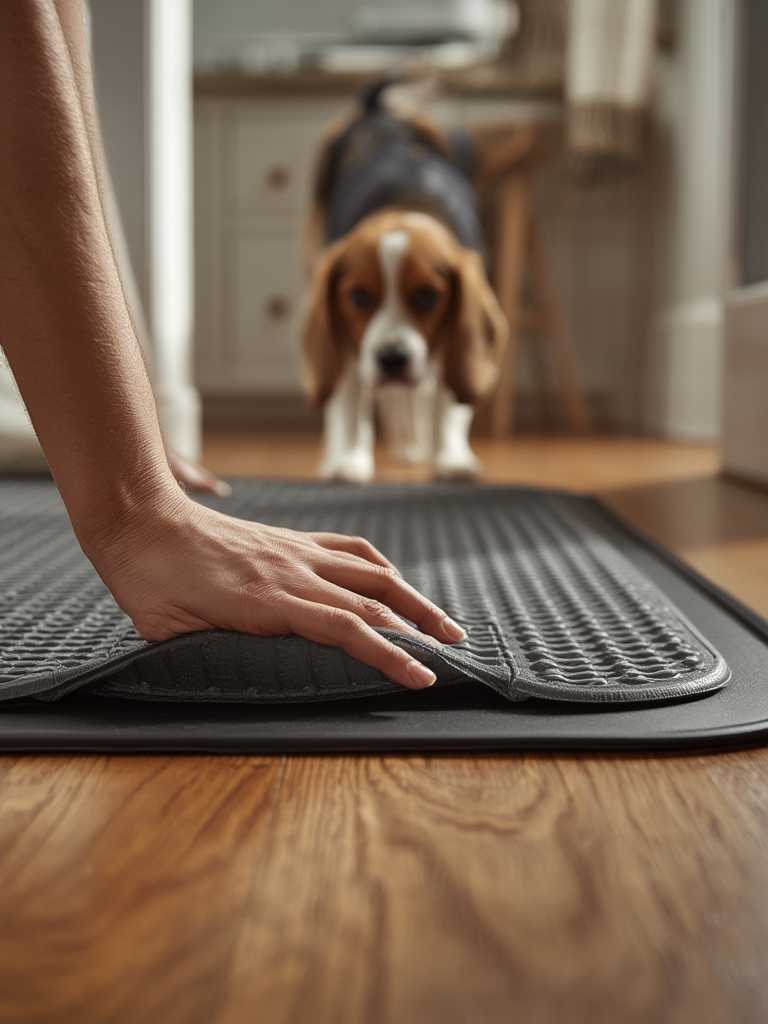
Wipe down gel and silk mats regularly. With ice or water-filled types, check for leaks. Always supervise aggressive chewers on their mats.
If you’re interested in other smart home pet comfort solutions, explore how a robot vacuum mop combo can help keep your floors cool and clean for both pets and people.
Advanced Analysis & Common Pitfalls
With hundreds of models on the market, it’s easy to overlook hidden costs, major risks, and practical shortcomings. Here’s where most owners run into trouble:
- No Science-Backed Cooling
Claims about lowering body temperature aren’t supported by veterinary or peer-reviewed studies. Most “cooling” is based on your dog’s comfort and preference, not medical necessity.
See real-world report of a blind dog benefiting—but these stories are anecdotal. - Sizing and Acceptance Issues
Many mats are too small for large breeds or multi-dog households. Dogs may ignore mats if the texture or temperature feels off. Sometimes, a fabric or silk mat is accepted where a gel mat is not. - Durability Problems
Gel models (like Coleman or The Green Pet Shop) can tear easily, especially from claws or chewing. Gel leaks can’t be patched, and if ingested, may mean a trip to the vet [Cost & Hazard Details]. - Maintenance Hassles
Water and ice mats are heavy, need frequent emptying or freezing, and don’t keep cool if placed in direct sun. Gel mats may require Hand-wash only and frequent cover replacement. - Safety Concerns
Even non-toxic gels aren’t meant for eating. Leaks, especially around kids or aggressive chewers, are a real safety issue. Some modular ice mats have snappable segments that can break off. - Performance in Extreme Heat or Humidity
Actual cooling performance drops if the surrounding air is very humid or the mat sits in the sun. No product delivers continuous, measurable cooling in such environments [Performance Review].
| Type | Pros | Cons | Best For |
|---|---|---|---|
| Gel-Filled (Green Pet Shop, Coleman) | Cold to touch Dog-preferred comfort Available in many sizes |
Heavy Leak risk—unpatchable Hand-wash only Expensive for large mats |
Indoor use, gentle chewers, dogs that get hot lying on the floor |
| Water-Filled | Cushy feel Can hold temperature if cool Reusable year-round |
Heaviest option Sloshy, unstable Loses cool in sun |
Older dogs preferring soft bedding, alternating summer/winter use |
| Ice/Modular Ice-Filled | Maximum initial coldness Longer cold period with extra packs |
Bulky Requires daily refreezing Expensive |
Super-hot rooms, travel (if you can freeze) |
| Ice Silk/Fabric | Lightweight Portable Machine-washable |
Minimal cooling Easily crumples/slips |
Crate liners, travel, dogs resistant to plastic feel |
| Breathable Color-Change Fabric (Rywell, etc.) | Lightweight Waterproof Color warns if too hot Easy to carry |
Subtle cooling Fewer size/shape options |
Travel, spot cooling, safety-conscious homes |
If you enjoy optimizing your living space, you might also want to consider a wall mounted foldable desk to free up floor space for your pet’s cooling mat or bed zone.
For households sensitive to air quality, integrating a smart indoor air quality monitor can help you better gauge if hot indoor temps are problematic for both people and pets.
Conclusion
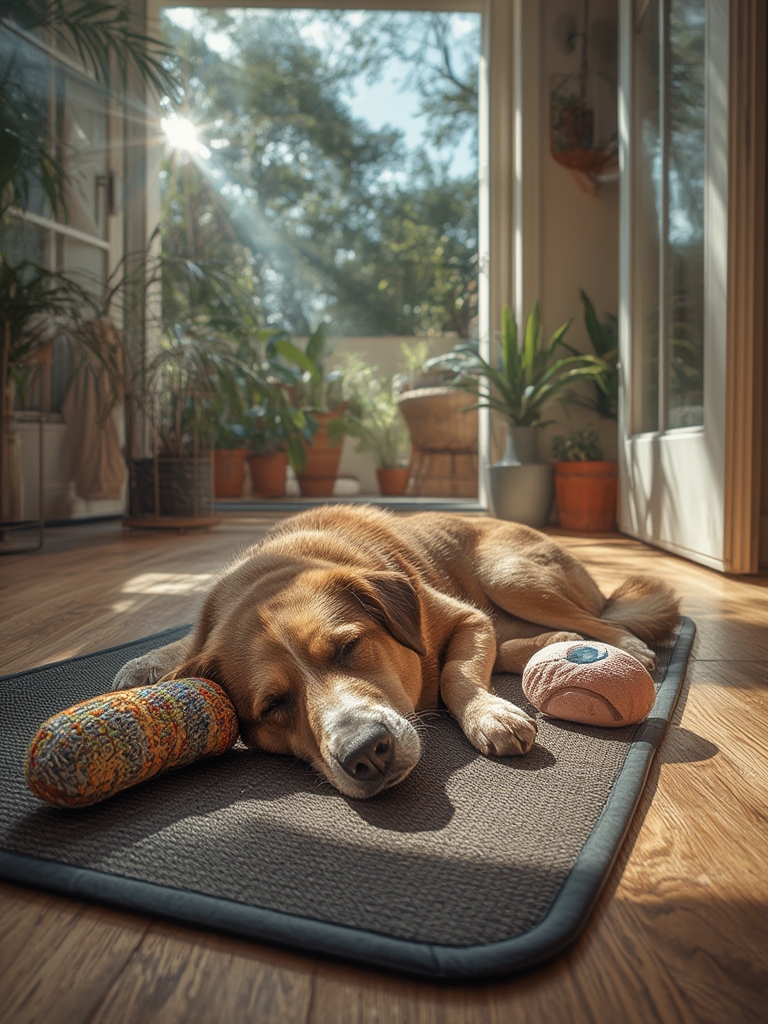
Dog cooling mats for summer can bring relief, but there’s no magic bullet. Genuine cooling is mild at best, and long-term value depends on durability, safety, and whether your dog will actually use the mat. The ideal cooling mat for your home is the one that matches your dog’s size, habits, and environment—plus fits your willingness to monitor and maintain it. For summer comfort, a dog cooling mat for summer can help, but always use them alongside fresh water, shade, and supervision. Ready to upgrade your setup? Evaluate the right style for your pet, or browse reviews, for the most sensible choice—your dog’s next nap could be a lot more comfortable.
Looking to modernize your home for every season? Pair your pet setup with smart home devices for real comfort control—and keep exploring practical tech that works for everyone at home.
Frequently Asked Questions
Do dog cooling mats actually lower my dog’s body temperature?
There is no scientific or veterinary evidence showing cooling mats significantly lower a dog’s body temperature. Most of the benefit is comfort-based and perceptional—dogs often seek out the mat during hot weather, but measurable internal cooling has not been proven in studies.
Which cooling mat type lasts the longest and is safest for chewers?
Most gel mats are non-toxic but have the highest leak risk if chewed. Breathable fabric or Rywell-type color-change mats are safest for dogs prone to chewing, though they provide milder cooling. Always supervise chewers and consider a layered setup under tougher dog bedding.
How should I clean and store a dog cooling mat for summer?
Gel mats typically require hand-washing and air-drying. Water and ice mats must be emptied and dried after use. Fabric and silk mats are often machine-washable. Always store dry, and away from direct sunlight to maintain material integrity and cooling function.
What size dog cooling mat should I buy?
Choose a mat slightly larger than your dog’s full length to allow stretching out. For multi-dog homes, opt for the largest available or purchase multiple mats—keep in mind most run smaller than advertised and may not suit very large breeds.
Are there hidden maintenance costs with cooling mats?
Yes. Replacement covers, hand-washing time, and in some cases, vet visits from gel ingestion or chewed bits are possible expenses. Ice and water mats may increase utility costs from daily freezing and refilling. Factor these in when budgeting for summer pet care.